


-


-

-
Search
-
Recent Posts
- Kryptowährungen Handeln Test – Wo sind kryptowährungen verboten?
- Sichere Krypto Börse – Kryptowährung wovon abhängig?
- Kryptologie Uni Ulm | Welche kryptowährungen haben potenzial?
- Scalping Kryptowährung – Wie viele kryptowährungen gibt es bei coinbase?
- Margin Trading Kryptowährungen Yahoo Finance – Warum steigen kryptowährungen so stark?
Blog Archive
June 2026 M T W T F S S « Aug 1 2 3 4 5 6 7 8 9 10 11 12 13 14 15 16 17 18 19 20 21 22 23 24 25 26 27 28 29 30 Categories
- Activities With Kids
- Adolescence
- Adulthood
- Aging
- Anger Management
- Apps
- Arts Education
- Babies
- Blog
- Books
- Boys to Men
- Breastfeeding
- Camp
- Cars
- Celebrity Dads
- Charity
- Child Development
- Children's Music Reviews
- Columns by Family Man
- Contests
- Creativity
- Dating Dad
- Death
- Divorced Dads
- Education
- Ethics
- Family Communication
- Family Man in the News
- Family Man Recommends
- Family Music
- Family Music Reviews
- Father's Day
- Featured Moms & Dads
- Film
- Food
- Free Stuff
- Friendship
- Gender
- Graduation
- Grandparents
- Halloween
- Health
- Helping Kids Understand Loss
- Holidays
- Humor
- Internet Safety
- LifeofDad.com
- Love and Courtship
- Marriage
- Morals
- Mother's Day
- Movies
- Music
- Newborns
- Over-parenting
- Parenting Stress
- Perspective
- Pets
- Politics
- Protecting Children
- Safety
- School
- Sex Ed
- Siblings
- Single Fathers
- Social Action
- Special Needs
- Sports
- Sweepstakes & Promotions
- Talking About Disasters
- Teens
- Top Ten Lists
- Travel
- Traveling With Kids
- TV
- Tweens
- Uncategorized
- Values
- Vasectomy
- Video
- What Dads Need to Know
- Work-Family Balance
Recent Comments
- Beth on The One That Ends With Hope
- Judi Feldman on The Brass Tacks of Music Education
- Fran Keer on A Road Well Traveled
- norman edelson on A Road Well Traveled
- Justin Rogan on The Gift of Boredom
- © 2026 - Gregory Keer. All rights reserved.
Teens Show Bulletproof Leadership
 By Gregory Keer
I work really hard at my public face. As a parenting writer and high-school educator, I try to project steadiness, calm, wisdom, and a little gentle humor. I call it my Atticus Finch persona, and it has been cultivated and is authentic. Most of the time.
Some of the time, I lose my composure, usually with my own kids. They dissolve into their phones instead of looking solidly at me when I make conversation, and that makes me upset. They repeatedly leave their clothes and dishes around for someone else to take care of, and that makes me mad. They tell me to shut up, that I don’t know anything about the way the world works today, and that makes me furious.
In my worst responses, I’ve shaken the rooftop with my anger at not being able to control my kids’ negative behavior. I’ve apologized to them, explaining that my reaction is my own fault and admitting my mistake in letting the Hulk out when I should have called upon a bit more Atticus Finch. I tell them that I allowed my message of disappointment in their actions to be overtaken by my lack of self-regulation. And I work daily at improving my responses, at increasing my level-headedness if only to show them one of my chief lessons in life: No one is perfect, but we must communicate with each other, above all else, if we are to resolve what makes us feel diminished, put down, or left out.
This central belief — in communication — is the main reason I write. It’s the main reason I am writing this piece today. I am writing to answer my children’s questions about why I, and my generation, have not made the world as safe as it could be. I am writing because I want my boys to know that I value their own efforts to figure out the problems of our time. I am writing because I need them to know that they, and their contemporaries who are speaking and acting with clarity and conviction, are showing me that they are ready to lead us to important changes for good.
Pivoting From Anger to Glimmers of Hope
Sure, it matters that I am upset for the victims of the recent shootings at Santa Fe High School in Texas and Marjory Stoneman Douglas High School in Florida. I am mad at the narrow-mindedness of those who cannot see the benefits of committing to more effective gun control regulation and taking automatic rifles off the market. I am furious at those in our society who do not truly value our children’s lives and their voices when our kids speak intelligently and humanely.
But it is incumbent upon me, as a writer/parent/educator/sentient being with the blessing of the ability to reason, to at least attempt to make some sense out of the chaos of a world where children die in the very places that are meant to help them grow their minds and bodies enough to become the eventual caretakers of this society.
If there is one thing I have realized by being a father, it’s that I learn more from my kids than they do from me. Sure, I have given them guidelines and tips to function as good, productive people. But they, in their clarity about fairness, capacity to forgive, and their passion for living for happiness and love, wipe away the fog that often clouds my vision through the sometimes numbing elements of work, money, responsibility.
My boys are full of imperfections, which are well documented in my writings, but they know that emotions are complex, random, hard to deal with. They shout, cry, laugh, and get sad, yet they are willing to talk about it. Sometimes with my wife and me, sometimes with friends, sometimes with their pediatrician. Yes, my wife and I taught them that this is important, that we are safe to talk to, even when we have opinions on when they’ve been right or wrong. Still, they have to walk this path of not holding inside what troubles them and of trusting that those meant to support them (their parents, teachers, health professionals) will see them as individuals who need safety nets, boundaries, and guidance.
These are boys who are able to access their feelings as well as recognize and reach out to others who exhibit feelings of sadness or distress. Feelings are more powerful than fists or bullets or any other vestiges of what some may see as strength or machismo. Feelings can lead people to bully others, to shut others out to protect oneself, and to a place on the wide spectrum of depression that this country of ours is still largely clueless about. Feelings lead to actions and the sooner our children can learn to sort through them, the better off we will all be.
Making Their Path to Change Possible
Let me be super clear about something else I’ve learned from teaching and raising teenagers in particular — they want adults to set limits, even when their feelings progress to them railing and screaming and taking off in the car in response to these lines. They need us to know we’re keeping them in bounds because their brains and emotions are a long way off from being completely developed. They need us to buck up, not shy away from their temporary shields and emotional missiles, and use compassionate firmness to keep them safe and kind in this world.
So, what else can we do, my friends in parenthood? What can we do for our children in the face of a breakdown of all we should have done to prevent tragedies such as the mass shootings in Texas and Florida? We need to double down, dig way the hell in on our efforts to make kids our number one priority. We brought them into this world, and they have repaid us with a sense of fulfillment that outpaces whatever headaches they’ve caused us. Now, we have to listen to them and their cries for safety, fairness, and reason. We have to let them take our hand down a path we started for them and allow them to show us what they need.
We have to support them with making gun laws more effective and putting more trained security professionals on campus whose sole job is to protect our youth. We have to boost them with more teachers who teach, more guidance counselors who counsel, more adult professionals who have eyes and ears on them. America is painfully behind much of the first-world in the area of financial commitment to education. We — need — to — be — number — one.
And, again, we need to let our children lead us.
Twice in the last year, my sons got my wife and I out of the house to march with thousands to speak out about human rights and dignity. They made signs, spoke to adults, and walked miles and miles. No complaining from them. Why? Because they were leading.
At my high school in the days following the Parkland, Florida tragedy, student leaders in every grade organized memorials, assemblies, and letter writing to the victims and politicians who can help prevent the creation of more victims.
With my children and my students, I have been proud to the point of bursting to provide support and guidance. But I have done little compared to them. They have led me and other adults. They have communicated their needs. And they have not lost an ounce of commitment.
For myself, I know all too well how little anger does if I don’t channel it into action and understanding. My children have taught me more about that than I ever expected. I am forever grateful to them for that. I will show that gratitude by supporting their calls for a safer, better world.
© 2018 Gregory Keer. All rights reserved.
Soldiering Toward Tolerance
 By Gregory Keer
The soldier is someone’s child, a boy raised with lessons of love, the value of tolerance, and the benefits of friendship. Eight months into the soldier’s tour of duty, all those lessons are tested when two of his closest brothers in arms are out in a Humvee, driving through treacherous desert. Manning the turret is a hulking linebacker type who joined the military to protect his skinny high school buddy, who steers the vehicle. A bomb detonates, killing one soldier, knocking the skinny guy unconscious, and ripping off the arm of the linebacker. Bullets tear into the Hummer, awakening the skinny guy. Bleeding but determined to get his big friend to safety, the skinny guy guides the damaged Hummer back to base.
The soldier now stands before hundreds of students, not much younger than he was at the time of that fateful attack, telling his story.
“Aid was administered and both survived,” he says of his friends. It is then that the soldier pauses and tears come. “You see, real men cry.”
As he holds a hand to his face, he explains his deepest understanding of what they all fought for — to uphold a vision of the world that puts care for fellow human beings, regardless of race, creed, or color, above all else. Earlier in his presentation, he said that he had lost some of his Army friends and that “many of them were not the same race as me, or the same religion as me, or the same political ideology as me. But they died just the same. The strength of this country is and has always been in its diversity, and in its fearless inclusivity. If anything makes us exceptional it is this.”
The soldier has every reason to be cynical because of his trials, but his resolution is rooted so deeply that it binds a group of teenagers who struggle with their own doubts about life’s meaning. HIs resolution is so powerful that his tears return.
And it as this point that a student, a ninth-grade girl with a titanium leg in place of the one she was not born with, rises from her seat and steadily walks up to him. The soldier’s head is down, and he notices her just as she reaches out her arms and embraces him. He leans on this seemingly fragile girl with the strength to take him in and confirm that, yes, compassion and understanding balance out all that we lack.
When the soldier, who has let us all know that he is studying for a master’s degree with his opportunity to learn more about the world, finishes his speech, everyone rises, not just that brave girl. And everyone applauds him for his courage not only to risk his life for all, but his clarity in speaking up for something all too hard for many to see — that a world that is free and fair for everyone is worth fighting for.
As a teacher, I was privileged to hear the soldier’s message and the embracing girl’s pure show of support. I was also moved to become ever more resolved to drive home the message of freedom and equality so that my children will flourish and advocate others to be able to enjoy the same benefits.
This message has never been more crucial than in this new year, with a new presidential administration at the center of debate over how this country can move toward unity in the midst of intense disagreement and, at times, hate. Intolerance has reared its ugly head in many ways, more unfiltered than I have seen in my lifetime. It worries me, upsets me, and occasionally has me at a loss for how to move forward.
Yet, I feel compelled to find answers for my children and even for the students I teach. One answer is to get my family out of the house and travel the city, state, and country to see and meet people with backgrounds that differ from ours, in other environments. Another solution is to put as many books, TV programs, and films in front of them that show diverse perspectives. And it remains more vital than ever for me to encourage and fund as much formal education as my children can handle because knowledge really is the power we need more than ever.
These may seem obvious ideas, but they provide the experience and information children must have to understand others as well as themselves.
One more tack I resolve to focus on is to listen more intently to my children. They have viewpoints that will influence the future I hope to live in for at least a couple of decades. Judging by the audience that heard the soldier speak, many of today’s young people greatly value diversity and tolerance. They are better than most of us older folks at listening to opposing opinions, and unafraid of expressing their own. I have much to learn from them and must be willing to do so. After all, if I am doing anything right as a parent, they will be part of the generation to help this country come together more than I ever could.
© 2017 Gregory Keer. All rights reserved.
 Posted in Adolescence, Boys to Men, Columns by Family Man, Ethics, Morals, Perspective, Social Action, Teens, Tweens, Values
 Leave a comment
The Gift of Boredom
 By Gregory Keer
My children are masters at finding my parenting weaknesses. One of them is the simple phrase, “I’m bored.”
When I hear those words, I wonder how they could be bored with me as their father? Next to a certain beer commercial character, I am the most interesting man in the world, right? I play sports, stay current on pop culture, and make clever puns. I’m also one half of a duo that provides electronics, musical instruments, playdates, Legos, and enough reading material to fill up what used to be known as a brick-and-mortar bookstore.
How could my sons lack stimulating activity?
At no other juncture of the year is the phrase, “I’m bored,” uttered as often as the winter holiday break. This is the period when many families close ranks to spend more quality time together. With their friends less available, my kids are stuck with Mom and Dad.
One of our seasonal traditions involves being with extended family for a few days in a rented condo. Continuing a custom she started with my late father, my step-mom gathers us to eat, play, and chat up a storm.
Last year, before driving to the annual get-together I announced to my sons, “No one is allowed to say they’re bored.”
I got plenty of eye-rolls, but a general agreement.
Everything went smoothly for the first night. The kids put away the electronics when asked, laughed with their cousins, and watched a movie with everyone.
By late morning the next day, Ari (then 11) broke the agreement. He plopped on the couch and uttered the fateful words, “I’m bored.”
“You just played soccer with your cousins,” I replied. “You could rest for a bit.”
“Not tired,” he countered.
“How about some backgammon with me?”
“No offense, Dad, but I need something more exciting.”
I bristled, but gathered myself to respond calmly, “Does every moment have to be exciting?”
“Yes.”
“I think we’re all going on a boat ride a little later.”
Ari thought for a moment, then said, “Can I play on my phone in the meantime?”
“Nope.”
“Why not?”
At this point, it occurred to me that the problem here was deeper than boredom. It was impatience. And, doggone it, this was a teaching moment if ever there was one.
“You want to watch a video?”
Ari brightened, thinking we were about to view something with a lot of action or one of his favorite YouTube clips featuring squirrels lip-syncing “Bohemian Rhapsody.”
Then I pulled up a TED Talk called “Don’t Eat the Marshmallow,” featuring Joachim de Posada, a decidedly non-superhero-looking motivational speaker.
“Dad, it’s winter break. I really don’t want to learn anything.”
“Trust me, this is interesting.”
So I played the lecture, which involves de Posada stating that he has found the key to success. He references a Stanford University study that involved a number of four year olds who were left in a room with a marshmallow. They were told that if they did not eat the marshmallow for 15 minutes, they could have two marshmallows at that point. The results revealed that two of three children could not wait — some ate the candy right away while others held out almost till the end.
de Posada further explained that, 15 years later, the Stanford researchers followed up with their subjects to see how they were doing. They discovered the kids who had shown patience, the self-discipline to wait for the bigger reward, actually were doing far better in academics, work, and life than the ones who went the immediate or near-immediate gratification route all those years ago.
At the end of the video, which also exhibited footage from a repeat of the study with other children contemplating, sniffing, and eating marshmallows, I asked Ari if he would have eaten the sugary puff.
“Yes,” he said without hesitation.
“Can you see why it might be a good idea to wait?”
Ari ponder this, then reasoned, “You want me to be patient for the boatride.”
“You’re a genius,” I said playfully.
“So, can I have some candy while I wait?”
Wise guy that he was, I let him have some chocolate before he went off to sit on the patio to watch ducks waddle past. He was plenty annoying the rest of the time before we went on that boat, but we had a new code to remind him of the value of forbearance: Don’t eat the marshmallow.
During this holiday season, my sons will again have their patience tried by sitting around with family doing very little of their usually hyper-stimulating activities. However, the gift of boredom — rather, the opportunity to practice patience — is a different kind of present I will try to give them no matter how they push me. My hope is that the gift of making them delay gratification will help them not only later in life but see the wonders of slowing down, being with live human beings, and allowing their minds to wander. Maybe I’m a spoil-sport, but I believe these possibilities are a heckuva lot tastier than marshmallows.
© 2016 Gregory Keer. All rights reserved.
Schooling Boys About Girls
By Gregory Keer
 Throughout my schooling, it wasn’t English or History that stumped me. It was girls. There was my second-grade test in flirting that ended with a classmate bashing me over the head with her very fashionable purse. This was followed by years of cluelessness that led to a high-school dating career marred by an uncanny ability to misread social cues, resulting in one common response: “I just like you as a friend.”
As evidenced by my improbably long-running success with the woman who agreed to marry me, I guess I figured a few things out. But the road to my wife was full of misunderstanding and miscommunication that could have been helped by better education than that provided by my Beavis- and Butthead-like friends, the macho stereotypes on TV, or the ultra-suave characters on the big screen. I was indeed blessed with parents who taught me the value of respect toward the opposite sex, but they gave me precious few insights into the intricacies of socializing with the ladies. And even in the heightened hormone hell of high school, teachers and administrators had precious little to say about gender issues save for the basic anatomical information in Health class.
Being a parent in today’s world presents some very stark reasons why raising a boy requires a lot more focus and intentionality than the methods of previous generations. The subject of male interaction with females is one of particular concern as evidenced by ugly and aggressive actions by young men towards women on college campuses, among other places, but the fact that it happens in college means that something is missing in the education – both formal and informal — of our boys. Somewhere along the line, a percentage of our young males has opted for instinctive displays of physical dominance instead of rationalized communication in order to get what they want from women. And there is support for this physical behavior by a number of parents and other people who should know better.
While disturbing behavior by boys in college requires a worthy and in-depth discussion, one path of contemplation is about what we parents might do to instill the deepest thinking and reinforce the healthiest behavior in our guys early on. As a father of three dudes who are quite distinct from one another, I have learned as much from them as I have taught them about sex, growing into manhood, and how to treat girls in social and more intimate situations. I’ve discussed these topics with them in a variety of situations, with varying degrees of success.
Recently, my wife and I talked to our youngest son, age 11, who was part of an elementary-school guy clique that saw girls as alien creatures who had no business on the fellas’ planet. On occasion, we’d ask Ari if he ever chatted with girls, and he’d say that one was bossy or another was nice. Our goal was to make sure that he was being polite, even if females were not part of his inner circle.
Beyond his boy band, Ari has benefited from a different perspective, as he is close with a girl he’s grown up with. They were at overnight camp together this past summer and the counselors told us that other kids had been making fun of them for being boyfriend and girlfriend. So, we asked our boy about it.
“I don’t remember anyone making fun of us,” he said, with a hint of a white lie.
“How would it make you feel if someone did give you a hard time about it?” my wife asked.
“I wouldn’t care. She’s my best friend.”
For Ari, his view of girls changes with the situation, but he has made it clear that friendship is friendship, no matter the gender. Friendship, and the equality that comes with it, is the root of what we encourage Ari to continue, especially with the coming storm of adolescence. While there is nothing wrong with the instincts that many boys have about girls being different from them in various ways, problems emerge when boys see girls as something less than them — when they view girls as inferior athletes, lesser students, or more fragile than guys are. Our boys need us, as parents, to educate them about all the goals girls can kick, the math problems they can solve, and the emotional ups and downs they can endure. More than that, our boys require us to help them see that their own weaknesses can be strengthened by healthy interactions with girls rather than activities in which boys try to dominate their counterparts.
Some may think these points of education are obvious or out-of-date, given the progress our society has made in gender equality. But this is where it’s important to bring back the issue of what has been happening on college campuses and beyond. There remains a lingering, sometimes intense current of male disrespect toward females that shows up in even the most seemingly progressive places. We have seen it in the case of the Stanford swimmer who attacked an unconscious girl after a party, and the mindless coddling of that attacker in terms of his light sentence. We have seen it in the professional athletes who have injured (or worse) their spouses, then received little consequence. In one case, a baseball player who had abused his wife received an ovation after returning to the field. Absolutely, we should allow that aggressors can make amends, but what does it say to our children, particularly to our boys, when we applaud athletes while not talking with our kids about the mistakes these men made as human beings?
As parents, we must discuss the tough stuff, sparing details for our youngest children, but at least broaching the big issues of fair treatment of girls and women. We should also ask our children to help girls who are being poorly treated, as the young man did who interrupted the sexual assault by the dumpster, resulting in the swimmer’s arrest. We must tell our boys to be watchful and active if male friends act improperly, and to never be afraid to break the bro code if they know something to be wrong.
Perhaps most important is the role modeling we adults do. In our relationships with women, be they in partnerships, friendships or casual acquaintances, we have to show our boys we respect women physically, verbally, psychologically and professionally. We have to illustrate how we talk things out and resolve conflicts with adult women and encourage our daughters and friends’ daughters in pursuits that are equal those of boys.
We should also actively involve ourselves in what our schools address with our children regarding all kinds of boy-girl topics. We need to ask about the programs schools are delivering, offer any concerns we might have about the programs, and discuss the topics with our children before and after they learn about them.
Among the other resources we can use are older children, be they our own kids or those of close friends. Ari is fortunate to have two older brothers, one who is starting high school and one who is beginning college. Both boys have been on the receiving end of parental talks about what they could do better and what they did right in their interactions with girls. They have also experienced a range of peers, from the most exemplary to some who have behaved questionably around the opposite sex. As a result, they have shown their little brother how to be friends with girls and how to act around girlfriends. They are the role models Ari has most closely watched, which emphasizes why we had to address issues early in our parenting career.
I am still teaching my boys about the keys to respecting the opposite sex. Frankly, I will keep talking to them about it because there are powerful forces out there that push guys to react to their basest instincts. Good guys can make mistakes, but with emotional honesty, lots of talking and ample role modeling, we can help our sons be the honorable counterparts to all the great daughters out there. That’s education with more value than any diploma can provide.
© 2016 Gregory Keer. All rights reserved.
Stages
By Gregory Keer
 Last January, my eleven year old tracked me down in my fortress of solitude, the bathroom, and launched into “Suddenly Seymour,” his audition tune for the public arts academy he desperately wanted to attend.
Despite all the love and support I harbor for my child, my reaction was swift as I cried, “Let me poop in peace!”
This sent Jacob into a fit of laughter before he collected himself and continued his song in complete ignorance of my compromised state.
By the time he hit his final note, I had long forgotten where I was or what I had intended to do there. I just applauded.
“That was the best I’ve ever heard you sing,” I told Jacob.
My son gave me hug, at which time reality hit me that I was sitting over a toilet bowl.
“Thanks, Dad, now I can let you poop in peace,” he laughed as he took off.
Whether he’s standing on bathroom tile or auditorium floorboards, my son loves the stage. It started early, when we took a three-year-old Jacob to see his older brother in a theater-camp production of The Sound of Music. We had to hold back the nascent thespian from leaping to join “Do-Re-Mi.” Even as Benjamin grew more self-conscious about performing, Jacob’s theatrical bug never stopped buzzing.
Sometimes, that buzzing got on our nerves. We were frequently torn between encouraging his creative, outgoing nature and protecting our senses from his often disastrous training. There were countless nights when he belted a medley of the Top 40 all day long, from every room in the house – and mostly off key. He didn’t know he was out of tune, nor did he care. He also had the habit of trying to force his vibrato to sound like Justin Timberlake – only he wasn’t Justin Timberlake.
There were the mornings we awakened thinking clowns were ransacking our home when it was just Jacob leaping around his room, rehearsing hip-hop moves he learned in his after-school program. On countless occasions, we sat with frozen smiles while we watched him do modern dance versions of movies like Iron Man 2.
There were all the elementary-school plays, the ones Jacob made us practice with him for weeks, even when he only had one line to say. Worse yet, given Jacob’s perfectionist streak, we endured his criticism of how we delivered our parts: “Daddy, I really think Zeus would sound much bolder than you’re saying it.” You know there’s something wrong when your eight-year-old makes you feel like you’ll never work in show business again and all you wanted to do was help him understand a Greek god’s emotional fragility.
As anxious as Jacob’s relentless practicing of his skills made us, nothing compared to how he felt every time he tried out for a part he didn’t get or was made fun of by peers who found his theatricality not macho enough. Each time this happened, Jacob would come home angry or in tears, and we would boost his ego for being brave enough to take risks. Yet it was mostly his own sense of resolve that motivated him to try all over again.
In this last year of grade school, all of Jacob’s practice seemed to pay off. After three years in the back of the chorus, he moved to the front because he had improved his vocal pitch. After years of musical instrument obscurity, he learned the ukulele and became a soloist at his graduation.
And after endless sessions spent rehearsing dance moves, song stylings, and acting chops, he auditioned for the performing arts academy with so few available spots and so many dreamers vying for them. Weeks later, the email came with the word “Congratulations” on it. Jacob shouted and jumped high, but landed soberly and said, “What’s for dinner?”
Who knows if this opportunity to learn in an arts program will lead to Jacob’s success on Broadway or in Hollywood? What I do know is that, as much as my son has learned to follow a passion, he knows that there’s more to life than a stage. More important than any lead part is that Jacob has learned about working hard, enjoying triumphs, and weathering fear and failure. He’s also learned to balance his theatrical pursuits with friends, family, and soccer, a game he still loves. These lessons will serve him as he makes the transition from the smaller elementary school stakes to the bigger ones in middle school and beyond.
As he takes on this next challenging phase of life, I am so very proud of my boy. So proud that I’ll let him interrupt my bathroom privacy any time he wants to break out into song.
For more on middle-school change, see Middle Earth.
Would You Make Your “F” Student Wear a Sign?
Recent parenting news focuses on the dad who shot bullets into his daughter’s computer for misusing Facebook and a father who sent his 7th-grade kid with a sandwich board announcing the three F’s on his report card. In an interview, the Miami-area 7th-grader, Michael Bell, Jr., said he planned to do a lot better after spending time at a busy intersection where people could see him in all his shame.
Is this tough love or too tough? While I accept that it’s entirely possible that the two aforementioned dads might have felt that the ends would justify the means, my worry is that, whatever short-term gains a parent might get in pushing a child to act more responsibly, the long-term reality is that more bad stuff could happen. Much of this feels like parenting theater, discipline for a YouTube world rather than truly effective character building.
Like a lot of parents, I get to the end of my rope. I’ve yelled, jumped up and down, even tugged out the power cord on my teen’s laptop (while making sure I wasn’t actually damaging it). What did it do for me? It scared my child for a minute and made me look foolish and out of control. So, I apologized for my behavior without condoning my son’s (he had played a video game instead of doing homework for one too many times). And then we talked about ways he could balance his priorities better. This included my commitment to checking his daily planner more regularly to help him manage his time. I won’t do his homework for him, but I can assist in getting him more organized, at least for a little while.
My plan — my hope — is that by returning to a calm, civilized approach, I’m teaching my son how to weather frustration as well as mistakes in judgement. I don’t want my child to feel shame — I want him to feel in control of his responsibilities for his own sake.
Guest Blog: 3 Most Common Parent-Kid Fights and How to Stop Them
By Vanessa Van Petten
When I was a teenager it felt like my parents and I got in the same fights over and over again. After working with thousands of teens and parents I have realized that there are several common fights parents have with their teens. Below, I have described these three fights and offered some solutions for stopping the argument cycle.
1. The “It’s Not Fair” Fight
Examples:
– Older brother gets to stay out late with his friends. Teen finds this grossly unfair.
– Parent gets to have soda, child does not. Teen finds this grossly unfair.
– Teenager cannot buy new outfit for dance because it is too expensive. Teen finds this grossly unfair.
Emotional Intent: When you hear a teen talk about how unfair something is, what they are often feeling is, “I am not important or special enough.” If you feel like your teenager is constantly arguing about justice or fairness, they are most likely feeling like they are not being heard or cared about enough to get what they want. Of course, this is usually not the case. In the examples above parents would be worried about safety, health and money, while teens feel like they are not as important as their sibling, that their parents do not understand how important the dance is, and so on.
Solutions: The best way to stop the “it’s Not Fair” fight is to address the emotional intent. The best way to do this is for parents to push into the “it’s not fair” feeling from their children instead of pushing against it. For instance in the new outfit example a parent might say to their teen, “I hear you think this is unfair, will you tell me why?” A teen will most likely respond, “You buy stuff for yourself all the time,” or “But I deserve this dress.” These answers are important because it will show the parent the emotional intent behind the upset and feelings of injustice. If a parent addresses these by saying something like, “I could see how you feel like us not buying this for you is about you not feeling worthy. But the truth is we are trying to save for the big vacation we are taking this summer—which is for all of us. I know how important this dance is for you. Maybe we can get you a new pair of shoes or…” then the fight is stopped.
2. The “Treat Me Like A Grown-Up” Fight
Examples:
– Teen wants to be able to stay out late with friends. Parents say no. Teen thinks they are being treated like a child.
– Teen wants to go away for Spring Break, parents say no. Teen thinks they are being treated like a child.
Emotional Intent: Most fights during the teen years are actually based in this ‘treat me like a grown-up’ motivation. The earlier you can catch and address it the better it will be. It derives from the fundamental pulling away that comes with a teen trying to assert their independence.
Solutions: It is very important for parents to discuss reasons for decisions that are making a teenager angry. This way teens are sure to understand the real reasons for a parent’s choice. Another great way to help teenagers get less upset in fights surrounding their maturity is for parents to help teens feel mature in other ways. For example, perhaps parents do not want their teen to go away for the whole Spring Break because they want to have family time. A great way to address this with teens is to say clearly, “We really want to have family time with you, but we know you are getting older, so how about you do a weekend camping trip with your friends for one of the weekends.” This teaches teens you trust them, but it is all about balancing needs.
3. The “We Are a Different Person” Fight
Examples:
– Parent wants their teen to join band, teen doesn’t want to.
– Parent expects higher grades and when teen doesn’t do well, a huge fight ensues.
– Teen does not keep room tidy, parent gets upset when guests come over.
Emotional Intent: Often times teenagers tell me that they will purposefully keep their room dirty or choose unapproved hobbies just so they can be different from their parents. Parents frequently misinterpret room cleaning or bad grades for laziness, when something deeper might be going on. Teenagers often will ‘misbehave’ or fight with parents simply to show them that they are their own person—even if it gets them into trouble.
Solutions: First, it’s important to make sure that you do want your child to be their own person. Be careful not to push expectations or your own goals onto your kids. Second, make sure teenagers know that some of the requirements you have for them (good grades a tidy room for guests) are not to make them feel less like an individual, but for them to have more choices in their future and to present a nice home to guests. I recommend parents being very direct with teenagers about their need to be ‘their own person’ you might be surprised what common fights are actually based in this emotional intent.
Overall, fighting can be stressful, but teenagers often tell us that ‘fighting’ with their parents is their way of discussing issues. Look at fights as a way of getting to know a new aspect of your teens and be open with them about hoping to stop harmful cycles.
Vanessa Van Petten is one of the nation’s youngest experts, or ‘youthologists’ on parenting and adolescents. She now runs her popular parenting website, RadicalParenting.com, which she writes with 120 other teenage writers to answer questions from parents and adults. Her approach has been featured by CNN, Fox News, and Wall Street Journal. She was also on the Real Housewives of Orange County helping the housewives with troubled teens. Her new book, Do I Get My Allowance Before or After I’m Grounded?, was just released in September 2011 with Plume Books of Penguin USA.
Posted in Adolescence, Blog, Books, Child Development, Family Man Recommends, Teens, Tweens
Leave a comment
Dating Dad: Solo Journey
By Eric S. Elkins
I wasn’t able to give much thought to my own vacation until Simone was on the bus to summer camp, headed into two-and-a-half weeks of adventures. Adventures I’d only learn about via the occasional letter and by scrolling through hundreds of photos on the camp’s web portal, looking for hints that she was enjoying herself.
The days before she left were fraught with preparations — gathering up the needed clothing and equipment for the session; coordinating with her mom to make sure we’d made the right purchases and had collected sufficient underwear from both houses; pre-addressing and stamping envelopes to make it easier for her to write to me, her grandparents, her aunts and friends. There really wasn’t time for me to start compiling my own pre-vacation to-do list.
But after she was finally on the bus, both of us waving nervously to each other, with me suppressing tears until I was walking through the emptying parking lot, I pointed my car to Target, and spent the next half-hour gathering up travel supplies. By the time I got home, I finally got to work building out a list of stuff that had to happen before I hit the road. It was extensive.
The plan for my trip stemmed from a conversation I’d had with the Peach in late spring, actually. We hadn’t spoken for several months, and decided we were past-due for a catch-up. The Peach and I are still friends, and we enjoy meeting up every once in awhile to share the latest stories and developments. This time, the plan was to meet for tea at one of my favorite spots, then go to a yoga class with her favorite teacher.
I was thrilled to see her as she came into the shop, and I jumped up to give her a hug. After the usual pleasantries and updates, we got to talking about Simone’s latest exploits, and I mentioned her upcoming trip to overnight camp.
“What are you going to do with yourself while she’s gone?” The Peach asked.
I told her I hadn’t come up with anything satisfactory yet. I knew I wanted to run away somewhere, but the thought of another solo trip didn’t really appeal to me, and I’d been stalling. I told her that I didn’t mind traveling alone, but I wasn’t the kind of guy who makes small talk in some bar with a group of like-minded travelers. So that meant, no matter where I went, I’d share a lot of meals with a book and beer.
The Peach smiled, not really believing that I’d be very long without making new friends, but made a suggestion — to attend a yoga retreat center in Costa Rica. She and her sister had been there a couple years ago, and she thought it would be perfect for me.
“The meals are communal, so you’d be able to eat with people and get to know them if you wanted to, but you could also have your alone time. You’d get to do yoga everyday, and really have some time to unwind!”
My email inquiry was answered within an hour of sending it, and I was presented with a package that was truly irresistible — a yoga and surfing vacation, with three vegetarian meals per day, and a daily shuttle into the seaside village of Puerto Viejo. I paid my deposit and used miles to book my ticket before I had time to over-think it and talk myself out of the trip.
So there I was, two days away from an 11-night solo getaway, and I hadn’t done crap to get ready. I was only interrupted from my flurry of activity (finalize work stuff and take care of requisite deadline deliverables, shop for a raincoat and wicking clothing, arrange pet care, do laundry, pack, get recommendations for the couple of days after my time at Samasati http://samasati.com ended) when I took a moment to browse through the aforementioned web portal and found a photo of Simone, smiling with her new bunkmates. I broke down, the sob escaping my chest involuntarily, and I couldn’t stop weeping for a good twenty minutes. By the time the heaving and sobbing tapered off, I was sitting on a dining room chair with my head in my hands. I was so relieved to see that smile, and so heartbroken to miss her so much already. It took me a few more minutes to launch myself out of the chair and get back to it.
And, damn, the trip was a stunner. I’m still processing the time I spent in Central America — I’ve returned with the sort of existential questions that only an extended period away from the familiar and mundane can bring.
I spent the first week at the retreat center, in the jungle above the Caribbean. Samasati is both rustic and refined; although my bungalow was elegant and beautiful, there were still geckos running along the ceiling and the occasional prehistoric-looking insect crawling on the wall. Where there wasn’t wood paneling was open air, except for screens instead of glass. So basically the whole little hut was a giant screen from waist level on up.
It took me longer than I would have liked to fall asleep that first night. I was super-conscious of the sounds of the jungle, and laying there in the darkness, I couldn’t get comfortable. The loud buzzing of insects and spooky calls of night birds was louder than pleasant white noise.
Every once in a while a faint breeze would just barely cool what little exposed skin I allowed out from under the white sheets of the bed, and a thin film of perspiration made the pillow stick to my face. A couple times in the night, I’d wake up with a start and pull the flashlight from under my pillow, flipping it on and shining it around the cabin. But waking up early that first morning, to the lion’s roar of howler monkeys in the trees above me and the smell of rain and leaves and earth washing through the screens, I was filled with a sense of contentment.
Of course I made friends the very first day — it felt almost like I was at my own grownup summer camp. I shared meals with a fun, diverse crew of travelers, went to sunset yoga every night, and did some decent surfing. I didn’t go on most of the excursions with the group of guests that fell in together (except for one night of carousing in the little beach town), and though I felt like I was a bit of an outsider for that, I also knew I’d made the conscious choice to do my own thing. Some mornings, I’d write my next novel for hours at a time, watching the rain fall in sheets all the way down to the ocean.
On one of my surfing days, I met a French woman and a Spanish guy, and ended up drinking beers over a delicious fish taco lunch with them. The Spanish dude and I even spent a day hanging out; the morning chilling in the courtyard of his hotel in town and then riding bikes down the coast to spent the afternoon on a pristine white sand beach, splashing around in the waves.
When my time at Samasati was over, I took a shuttle back to San Jose, then navigated the gritty Coca Cola bus station to purchase a bus ticket to the Pacific Coast. I’d expected a painful, sweaty 4.5-hour ride to the beach city of Quepos, and when my assigned seat turned out to be next to a mother with her wiggly toddler on her lap, I sighed, took out my book, and hoped for the best. But the trip was easy, and a mere three hours, and of course the little boy and I got along great. By the time I hit Quepos, I was feeling pretty happy with my decision.
Because that was a big takeaway for me — traveling alone can be a blessing and a curse, when it comes to making decisions. Sure, you get all of the autonomy you want; which means the freedom to just do the things that appeal to you. You don’t have to answer to anyone else’s needs or travel quirks, which can be extensive sometimes.
But you also don’t have anyone helping you decide what you want to do. And, as a classic Libra, I can be pretty indecisive, over-thinking my options, and second-guessing my final decision. When a group of my new friends at Samasati invited me to join them on a horseback riding excursion, it just sounded sweaty and buggy, and I declined. But they came back that evening with hilarious stories and a sense of camaraderie that I missed out on. I don’t regret taking that day to write another chapter of my next novel (http://twitter.com/13thClock), but I do wonder what I missed.
The other thing about having a travel companion is that you’re less likely to make stupid or unsafe decisions, like wandering through a large city late at night trying to hunt down some dinner. Or leaving your raincoat on the bed of the hotel before heading into a national park and getting drenched through, underwear and all, when the torrential downpour comes out of nowhere.
Overall, the trip was good for me, mostly because of the things I was missing — someone to enjoy and share the trip with, hugs and the human touch, meat, vodka, a steady flow of data and communication via phone and computer. I came home wondering how I could take some of the healthy living that I’d been forced into and build it into my daily life.
I’m struggling, because it was too easy to fall back into pre-vacation patterns. But I’m awake and aware, and though the changes may not come all at once, I can still strive to regain elements of that zen contentment and lifestyle, and to integrate them into our lives.
Simone starts middle school in a week. We’ll both need all the help we can get.
Eric Elkins’ company WideFoc.us (http://widefoc.us) specializes in using social media and ePR strategies to develop constellations of brand experiences, delivering focused messages to targeted segments. He’s also the author of the young adult novel, Ray,Reflected. Read more of his Dating Dad chronicles at DatingDad.com , or tell him why he’s all wrong by emailing eric@datingdad.com.
Subtext
By Gregory Keer
In my youngest son’s preschool, the teachers furnish the cubbies with slips of paper that say, “Ask me about…” followed by a tidbit regarding each child’s activities.
One day at pick-up, I asked Ari about building a fort with his buddies.
“How did you know I did that?” Ari inquired guardedly.
“I read it on the paper from your teachers,” I replied.
At this, my son broke into tears, “I don’t want to share all my secrets!”
Because I prize the uninhibited daily accounts I usually get from Ari and my loquacious middle child, Jacob (8), this was a serious blow I blame on the influence of my eldest boy. Benjamin (11) keeps secrets better than a Cold War spy. During countless car rides and dinners, he’s had the same response whenever we’ve asked him what he did for his day: “Nothing.”
In the early years, we wised up and got the scoop from his instructors, other parents, and his friends.
“Benjamin had to sit on the rug in front of Ms. Renetzky,” one girl told us about him in kindergarten.
Luckily, he’s been a largely low-maintenance child, who laughs readily, still cuddles a little while watching TV with the family, and shares his iPod downloads with us. Frankly, we like him a lot.
But as he climbs the ladder of adolescence, that penchant for saying little is driving my wife and me bonkers. Making matters more complicated are the hints from other parents about Benjamin’s burgeoning interest in girls and leaks from teachers about his lapses in diligence.
We’ve tried to crack his Keanu Reeves affect with face-to-face conversation. I’ve had several talks about the birds and the bees without so much as a flutter of feedback. To no avail, I’ve tried humor and bellowing to learn what he does while he’s at school or hanging out with buddies.
This is why we’ve begun to rely on the very mechanism that makes Benjamin tick – technology. We eventually gave in to a cell phone under the condition that we had full access to monitor it. And while we’ve had our trials of making sure he’s safe from wayward adults and overly mature contemporaries, we’ve become fans of this device because it’s given us a remarkably effective means of communicating with our thoroughly modern son.
Here’s a sample of the texts we’ve discovered our son has sent and what we’ve done in response:
“Don’t tell anyone, but Jimmy likes you a little.” This led to a discussion about everything from what “like” means to an 11 year old to what you should do if you and your best friend “like” the same young lady. It also forced me to learn that kids no longer call someone “cute” because it means they “like” another person a bit more than I heretofore thought “like” meant.
“My parents took my phone away. That’s fine because I can still use the computer.” We took the computer away too. The crucial benefit of my child’s attachment to his technology is that I can take it all away to teach him some lesson about being kinder to his family members and doing his chores.
“I just forgot to tell you about the D in math.” Actually, this was a response from our son that came to us when we texted him from the back-to-school night presentation. We had discovered we should have seen the five-week report card that afternoon. Using a text from the very site of his ill-fated arithmetic results made it hard for him to conjure any answer but the truth.
Not all the texting is negative. It’s good for our son to know he has yet to completely outfox us. We’re swift and savvy enough to learn the texting lingo and ins-and-outs of its usage to make sure he acts his best. Even if he gets a few texts by us, he knows we’re watching, so it makes him think twice about what he writes.
Secondly, getting more adept with our thumbs has allowed my wife and me to send our son reminders about his schedule and to pull more information out of him than we thought possible. It also gives us conversation starters to get specific details on his relationships, interests, and plans.
He actually thinks we’re not so square because we can communicate this way, which is a nice byproduct for a dad who still questions the attractiveness of wearing pants without a belt.
Dating Dad: Tween
I’m sitting at the airport in Detroit, after returning from a quick, 14 hour visit to Toledo, where I spoke to a room full of sixth- and seventh-graders at a book festival, and then signed copies of Ray Reflected.
The handlers and organizers who drove me around, settled me in the room where I spoke, and even fed me, were all parents. Actually, they were all Jewish mothers of kids and young adults, and they all asked me about Simone — what was she like, did she enjoy the book, what kinds of books did she read. I found myself talking about her even more than usual, and even mentioning her a few times in my chat with the kids.
What I happened to mention more than once was that, these days, Simone calls me “Dude” just as often as she calls me “Dad.”
I got a taste of what’s just around the corner last week, when she and I went to a middle school “visitation.” Simone wants to audition for a local school of the arts next year, and this was our opportunity to get in there and check it out.
So last Friday morning, I battled the snooze on my iPhone alarm just a couple of times, and dragged myself out of bed at 5:30 in the morning. Even with the reprieve that the recent end of daylight saving brought, it was still nighttime dark, without even a hint of dawn sneaking through the spaces between my blinds. After a shower and some swipes with the razor, I was in Simone’s room, gently pulling back the covers, and coaxing her awake.
Simone’s never had a typical little girl’s room, what with the dinosaur art on the wall (posters and her own illustrations), tubs overflowing with plush toys (predominantly reptiles and other non-furry creatures), and bookshelves packed with novels, picture books, and non-fiction tomes on prehistoric life. You’d still find a pile of sillybandz on her desk, but you’d also notice Bagel, the fire-bellied toad she’s had in a tank since she was three years old.
So it’s not a girly room, but the experience of it has changed a bit in the last few months — undergarments that didn’t make it into her hamper no longer have cute animated figures on them, and now she’s wearing two pieces under her clothes; she’s always been an advanced reader, but now her fiction and fantasy is veering into the young adult, rather than middle grade; and then there’s the sleeping girl herself — long legs flung out of the covers at bottom of the bed and messy, dyed hair sticking out from under her comforter; with a sleep perfume that has changed, too — it’s still the unique, warm, and familiar smell that accompanies my sleeping girl, but there’s another tone, now — a pre-adolescent funk that wasn’t there last spring.
Simone rolled out of bed without complaint, the excitement of the day providing enough impetus to get her up and into the shower. There’s a quiet magic in our weekday mornings together; a companionable, low-level cheerfulness that is noticeably absent when it’s just me getting up and out. I take great pleasure in making Simone’s lunch, so while she’s in the shower I’ll fill her lunchbox with a well-balanced meal (and a snack. And a note). And then she’ll sip at her chai and talk to me while I do up breakfast. Most mornings, we’ll sit together at the table and eat, though sometimes she’ll perch on a barstool at the counter while I putter around the kitchen. If we think about it, we’ll put on some music that gets our blood pumping a little faster, and before we know it, it’s time for shoes and coats.
Our super-early morning went smoothly, and I was surprised when we arrived across town at the combo middle/high school with plenty of time to park and take in the tall, slump-shouldered teens slinking their way into the building. The school is a special one, with very motivated, artistic students, but they still seemed to walk with teenager attitude from where I was sitting. It gave me a shiver.
We wandered through halls filled with the most amazing artwork I’d seen in any building in recent memory — a whole display case filled with tableaux created using wooden spoons; a board propped on an easel showing the design elements for the play “Twelve Angry Jurors,” (yeah, I know. I laughed out loud) complete with a top-down view of the stage setup and costume mockups with swatches of fabric; foot-tall imp-like creatures cavorting along the vaulted, skylighted ceiling of the hallway; and an installation of a six-foot tall fantastical creature messing with a remote control and an old-fashioned TV on a stand. Four or five kids sat on the floor next to their lockers while one of them fiddled with a guitar.
Simone was thrilled…she’d found her tribe.
As we filed into the auditorium to be welcomed by the principal, I ran my eyes over the other kids and their parents (no eligible single moms, as far as I could tell). Everyone had that air of tense excitement flecked with nervousness, and you could tell all of the parents had very pointed questions about the audition and selection process, about the educational philosophy and standards, about graduation rates, etc. Simone wanted to sit up front, which surprised me, so we found our way to a couple of seats on the aisle in the second row (our compromise).
As the principal and other staff members spoke, and as the parents asked their inevitable questions, I noticed two things. First, that I didn’t have any questions. I could tell from the ambiance of the school, from the art on display, and from the way the students and staff interacted in the hallways, that this place would deliver on its promise, if Simone was able to impress her way in. As a former teacher, I can assess the temperature of a school within moments of walking through the door.
Second, I noticed that Simone had the teen chair slump down to a science.
Damn it, I thought. My kid is a tween. Somehow, I’d hoped I’d have more time.
After the speeches, a parent volunteer in Simone’s preferred major (stagecraft – she wants to design and build sets, to prepare her for her dream of creating paleontological museum displays, and she wants to design costumes to get better at her own fashion design work), led us from classroom to classroom, so we could see what the actual students were up to.
If I felt a shiver when we walked into the school, standing at the back of classrooms and watching post-pubescent teenagers banter and pick at their faces and whisper to each other nearly gave me heart palpitations.
Last month, I wrote about the pop culture celebration of the clueless father and how I refuse to be painted with that brush. But what that means is I’m not going to be allowed to be the know-nothing dad as Simone approaches her teen years. If I want to be the father that she needs, I won’t be able to cover my ears and go la-la-la when she talks about dating or women’s issues. I’ll have to force myself to listen without judgment and respond carefully. I won’t be allowed to roll my eyes or shake my head or run away.
And, most days, I think I’m prepared to handle this new stage in her life. We have an easy, comfortable way of talking to each other, and Simone doesn’t keep secrets from me. Last time my youngest sister was in town, I asked her to take Simone for…you know…products, just in case the red rider came around while she was with me. I’ve provided her with deodorant and special face soap, and I know better than to put her training bras in the dryer.
But, damn, it would be nice to have a woman in the house as she grows into her tall, lanky body. There’s stuff about being a teenage girl I just don’t know. Put me in a room with a 15-year-old boy, and I’ll teach him all the secret tricks to being a man — the best way to shave each day, how to polish a pair of shoes or sew on a button, how to knot a tie (bow and standard), the highlights of the debate between briefs and boxers (go with boxers). But even as a formerly married guy, women’s feminine regimens are mysterious to me. There are details I’m not equipped to understand.
I know Simone’s mom will handle the majority of the details, but stuff will come up when she’s with me, and, unless something really good and really special happens in the near future, I’m going to be sans backup. I’m fortunate to have plenty of single mom friends who could advise me if I ask for help, but it’s still a daunting prospect overall.
Simone was yawning as we drifted toward the exit from the school, the morning’s activities catching up with her. There was something languid about the way she walked down the hallway, almost as if she’d already begun to absorb the mores and manners of this exotic new place. My brain and heart were tangled and fraught, feeling so proud of and excited for my little girl, but knowing she wouldn’t be little much longer. How can you celebrate and dread something in equal measure, and still manage to stay sane and reasonable?
Shit… guess I’ll just do my best.
Eric Elkins’ company WideFoc.us (http://widefoc.us) specializes in using social media and ePR strategies to develop constellations of brand experiences, delivering focused messages to targeted segments. He’s also the author of the young adult novel, Ray,Reflected. Read more of his Dating Dad chronicles at DatingDad.com , or tell him why he’s all wrong by emailing eric@datingdad.com.
Teens Show Bulletproof Leadership
 By Gregory Keer
I work really hard at my public face. As a parenting writer and high-school educator, I try to project steadiness, calm, wisdom, and a little gentle humor. I call it my Atticus Finch persona, and it has been cultivated and is authentic. Most of the time.
Some of the time, I lose my composure, usually with my own kids. They dissolve into their phones instead of looking solidly at me when I make conversation, and that makes me upset. They repeatedly leave their clothes and dishes around for someone else to take care of, and that makes me mad. They tell me to shut up, that I don’t know anything about the way the world works today, and that makes me furious.
In my worst responses, I’ve shaken the rooftop with my anger at not being able to control my kids’ negative behavior. I’ve apologized to them, explaining that my reaction is my own fault and admitting my mistake in letting the Hulk out when I should have called upon a bit more Atticus Finch. I tell them that I allowed my message of disappointment in their actions to be overtaken by my lack of self-regulation. And I work daily at improving my responses, at increasing my level-headedness if only to show them one of my chief lessons in life: No one is perfect, but we must communicate with each other, above all else, if we are to resolve what makes us feel diminished, put down, or left out.
This central belief — in communication — is the main reason I write. It’s the main reason I am writing this piece today. I am writing to answer my children’s questions about why I, and my generation, have not made the world as safe as it could be. I am writing because I want my boys to know that I value their own efforts to figure out the problems of our time. I am writing because I need them to know that they, and their contemporaries who are speaking and acting with clarity and conviction, are showing me that they are ready to lead us to important changes for good.
Pivoting From Anger to Glimmers of Hope
Sure, it matters that I am upset for the victims of the recent shootings at Santa Fe High School in Texas and Marjory Stoneman Douglas High School in Florida. I am mad at the narrow-mindedness of those who cannot see the benefits of committing to more effective gun control regulation and taking automatic rifles off the market. I am furious at those in our society who do not truly value our children’s lives and their voices when our kids speak intelligently and humanely.
But it is incumbent upon me, as a writer/parent/educator/sentient being with the blessing of the ability to reason, to at least attempt to make some sense out of the chaos of a world where children die in the very places that are meant to help them grow their minds and bodies enough to become the eventual caretakers of this society.
If there is one thing I have realized by being a father, it’s that I learn more from my kids than they do from me. Sure, I have given them guidelines and tips to function as good, productive people. But they, in their clarity about fairness, capacity to forgive, and their passion for living for happiness and love, wipe away the fog that often clouds my vision through the sometimes numbing elements of work, money, responsibility.
My boys are full of imperfections, which are well documented in my writings, but they know that emotions are complex, random, hard to deal with. They shout, cry, laugh, and get sad, yet they are willing to talk about it. Sometimes with my wife and me, sometimes with friends, sometimes with their pediatrician. Yes, my wife and I taught them that this is important, that we are safe to talk to, even when we have opinions on when they’ve been right or wrong. Still, they have to walk this path of not holding inside what troubles them and of trusting that those meant to support them (their parents, teachers, health professionals) will see them as individuals who need safety nets, boundaries, and guidance.
These are boys who are able to access their feelings as well as recognize and reach out to others who exhibit feelings of sadness or distress. Feelings are more powerful than fists or bullets or any other vestiges of what some may see as strength or machismo. Feelings can lead people to bully others, to shut others out to protect oneself, and to a place on the wide spectrum of depression that this country of ours is still largely clueless about. Feelings lead to actions and the sooner our children can learn to sort through them, the better off we will all be.
Making Their Path to Change Possible
Let me be super clear about something else I’ve learned from teaching and raising teenagers in particular — they want adults to set limits, even when their feelings progress to them railing and screaming and taking off in the car in response to these lines. They need us to know we’re keeping them in bounds because their brains and emotions are a long way off from being completely developed. They need us to buck up, not shy away from their temporary shields and emotional missiles, and use compassionate firmness to keep them safe and kind in this world.
So, what else can we do, my friends in parenthood? What can we do for our children in the face of a breakdown of all we should have done to prevent tragedies such as the mass shootings in Texas and Florida? We need to double down, dig way the hell in on our efforts to make kids our number one priority. We brought them into this world, and they have repaid us with a sense of fulfillment that outpaces whatever headaches they’ve caused us. Now, we have to listen to them and their cries for safety, fairness, and reason. We have to let them take our hand down a path we started for them and allow them to show us what they need.
We have to support them with making gun laws more effective and putting more trained security professionals on campus whose sole job is to protect our youth. We have to boost them with more teachers who teach, more guidance counselors who counsel, more adult professionals who have eyes and ears on them. America is painfully behind much of the first-world in the area of financial commitment to education. We — need — to — be — number — one.
And, again, we need to let our children lead us.
Twice in the last year, my sons got my wife and I out of the house to march with thousands to speak out about human rights and dignity. They made signs, spoke to adults, and walked miles and miles. No complaining from them. Why? Because they were leading.
At my high school in the days following the Parkland, Florida tragedy, student leaders in every grade organized memorials, assemblies, and letter writing to the victims and politicians who can help prevent the creation of more victims.
With my children and my students, I have been proud to the point of bursting to provide support and guidance. But I have done little compared to them. They have led me and other adults. They have communicated their needs. And they have not lost an ounce of commitment.
For myself, I know all too well how little anger does if I don’t channel it into action and understanding. My children have taught me more about that than I ever expected. I am forever grateful to them for that. I will show that gratitude by supporting their calls for a safer, better world.
© 2018 Gregory Keer. All rights reserved.
Soldiering Toward Tolerance
 By Gregory Keer
The soldier is someone’s child, a boy raised with lessons of love, the value of tolerance, and the benefits of friendship. Eight months into the soldier’s tour of duty, all those lessons are tested when two of his closest brothers in arms are out in a Humvee, driving through treacherous desert. Manning the turret is a hulking linebacker type who joined the military to protect his skinny high school buddy, who steers the vehicle. A bomb detonates, killing one soldier, knocking the skinny guy unconscious, and ripping off the arm of the linebacker. Bullets tear into the Hummer, awakening the skinny guy. Bleeding but determined to get his big friend to safety, the skinny guy guides the damaged Hummer back to base.
The soldier now stands before hundreds of students, not much younger than he was at the time of that fateful attack, telling his story.
“Aid was administered and both survived,” he says of his friends. It is then that the soldier pauses and tears come. “You see, real men cry.”
As he holds a hand to his face, he explains his deepest understanding of what they all fought for — to uphold a vision of the world that puts care for fellow human beings, regardless of race, creed, or color, above all else. Earlier in his presentation, he said that he had lost some of his Army friends and that “many of them were not the same race as me, or the same religion as me, or the same political ideology as me. But they died just the same. The strength of this country is and has always been in its diversity, and in its fearless inclusivity. If anything makes us exceptional it is this.”
The soldier has every reason to be cynical because of his trials, but his resolution is rooted so deeply that it binds a group of teenagers who struggle with their own doubts about life’s meaning. HIs resolution is so powerful that his tears return.
And it as this point that a student, a ninth-grade girl with a titanium leg in place of the one she was not born with, rises from her seat and steadily walks up to him. The soldier’s head is down, and he notices her just as she reaches out her arms and embraces him. He leans on this seemingly fragile girl with the strength to take him in and confirm that, yes, compassion and understanding balance out all that we lack.
When the soldier, who has let us all know that he is studying for a master’s degree with his opportunity to learn more about the world, finishes his speech, everyone rises, not just that brave girl. And everyone applauds him for his courage not only to risk his life for all, but his clarity in speaking up for something all too hard for many to see — that a world that is free and fair for everyone is worth fighting for.
As a teacher, I was privileged to hear the soldier’s message and the embracing girl’s pure show of support. I was also moved to become ever more resolved to drive home the message of freedom and equality so that my children will flourish and advocate others to be able to enjoy the same benefits.
This message has never been more crucial than in this new year, with a new presidential administration at the center of debate over how this country can move toward unity in the midst of intense disagreement and, at times, hate. Intolerance has reared its ugly head in many ways, more unfiltered than I have seen in my lifetime. It worries me, upsets me, and occasionally has me at a loss for how to move forward.
Yet, I feel compelled to find answers for my children and even for the students I teach. One answer is to get my family out of the house and travel the city, state, and country to see and meet people with backgrounds that differ from ours, in other environments. Another solution is to put as many books, TV programs, and films in front of them that show diverse perspectives. And it remains more vital than ever for me to encourage and fund as much formal education as my children can handle because knowledge really is the power we need more than ever.
These may seem obvious ideas, but they provide the experience and information children must have to understand others as well as themselves.
One more tack I resolve to focus on is to listen more intently to my children. They have viewpoints that will influence the future I hope to live in for at least a couple of decades. Judging by the audience that heard the soldier speak, many of today’s young people greatly value diversity and tolerance. They are better than most of us older folks at listening to opposing opinions, and unafraid of expressing their own. I have much to learn from them and must be willing to do so. After all, if I am doing anything right as a parent, they will be part of the generation to help this country come together more than I ever could.
© 2017 Gregory Keer. All rights reserved.
Posted in Adolescence, Boys to Men, Columns by Family Man, Ethics, Morals, Perspective, Social Action, Teens, Tweens, Values
Leave a comment
The Gift of Boredom
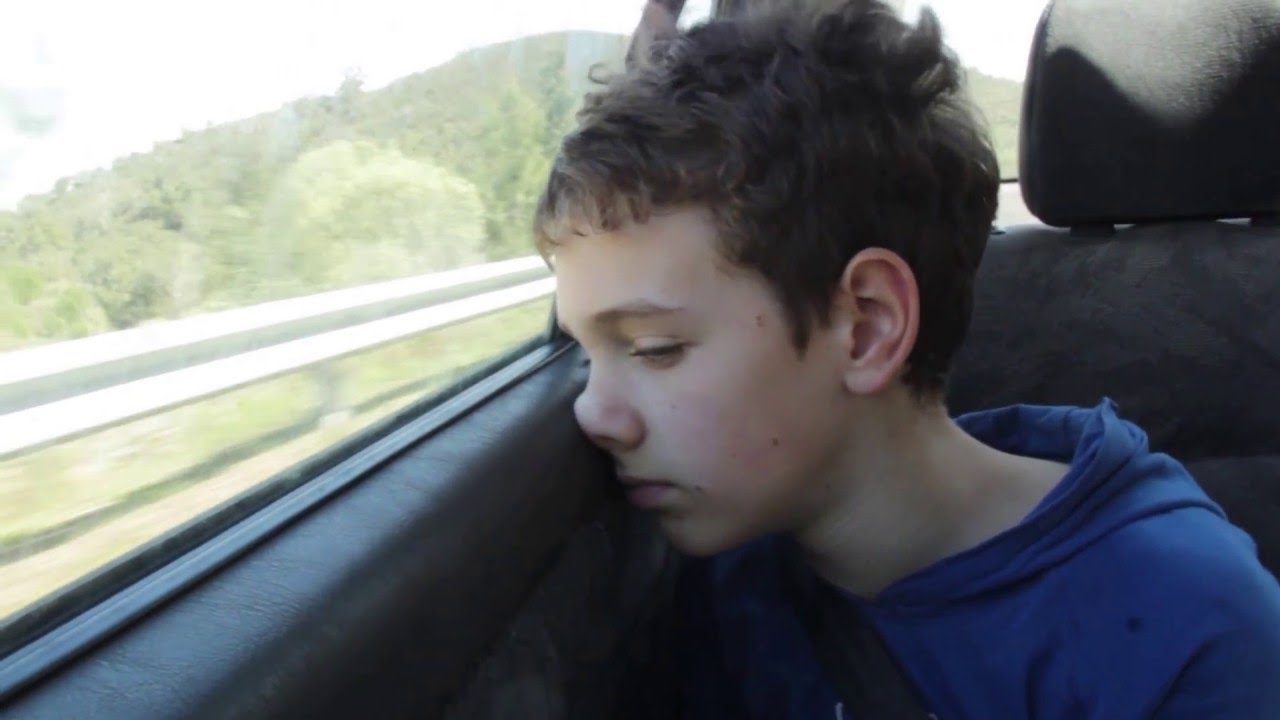 By Gregory Keer
My children are masters at finding my parenting weaknesses. One of them is the simple phrase, “I’m bored.”
When I hear those words, I wonder how they could be bored with me as their father? Next to a certain beer commercial character, I am the most interesting man in the world, right? I play sports, stay current on pop culture, and make clever puns. I’m also one half of a duo that provides electronics, musical instruments, playdates, Legos, and enough reading material to fill up what used to be known as a brick-and-mortar bookstore.
How could my sons lack stimulating activity?
At no other juncture of the year is the phrase, “I’m bored,” uttered as often as the winter holiday break. This is the period when many families close ranks to spend more quality time together. With their friends less available, my kids are stuck with Mom and Dad.
One of our seasonal traditions involves being with extended family for a few days in a rented condo. Continuing a custom she started with my late father, my step-mom gathers us to eat, play, and chat up a storm.
Last year, before driving to the annual get-together I announced to my sons, “No one is allowed to say they’re bored.”
I got plenty of eye-rolls, but a general agreement.
Everything went smoothly for the first night. The kids put away the electronics when asked, laughed with their cousins, and watched a movie with everyone.
By late morning the next day, Ari (then 11) broke the agreement. He plopped on the couch and uttered the fateful words, “I’m bored.”
“You just played soccer with your cousins,” I replied. “You could rest for a bit.”
“Not tired,” he countered.
“How about some backgammon with me?”
“No offense, Dad, but I need something more exciting.”
I bristled, but gathered myself to respond calmly, “Does every moment have to be exciting?”
“Yes.”
“I think we’re all going on a boat ride a little later.”
Ari thought for a moment, then said, “Can I play on my phone in the meantime?”
“Nope.”
“Why not?”
At this point, it occurred to me that the problem here was deeper than boredom. It was impatience. And, doggone it, this was a teaching moment if ever there was one.
“You want to watch a video?”
Ari brightened, thinking we were about to view something with a lot of action or one of his favorite YouTube clips featuring squirrels lip-syncing “Bohemian Rhapsody.”
Then I pulled up a TED Talk called “Don’t Eat the Marshmallow,” featuring Joachim de Posada, a decidedly non-superhero-looking motivational speaker.
“Dad, it’s winter break. I really don’t want to learn anything.”
“Trust me, this is interesting.”
So I played the lecture, which involves de Posada stating that he has found the key to success. He references a Stanford University study that involved a number of four year olds who were left in a room with a marshmallow. They were told that if they did not eat the marshmallow for 15 minutes, they could have two marshmallows at that point. The results revealed that two of three children could not wait — some ate the candy right away while others held out almost till the end.
de Posada further explained that, 15 years later, the Stanford researchers followed up with their subjects to see how they were doing. They discovered the kids who had shown patience, the self-discipline to wait for the bigger reward, actually were doing far better in academics, work, and life than the ones who went the immediate or near-immediate gratification route all those years ago.
At the end of the video, which also exhibited footage from a repeat of the study with other children contemplating, sniffing, and eating marshmallows, I asked Ari if he would have eaten the sugary puff.
“Yes,” he said without hesitation.
“Can you see why it might be a good idea to wait?”
Ari ponder this, then reasoned, “You want me to be patient for the boatride.”
“You’re a genius,” I said playfully.
“So, can I have some candy while I wait?”
Wise guy that he was, I let him have some chocolate before he went off to sit on the patio to watch ducks waddle past. He was plenty annoying the rest of the time before we went on that boat, but we had a new code to remind him of the value of forbearance: Don’t eat the marshmallow.
During this holiday season, my sons will again have their patience tried by sitting around with family doing very little of their usually hyper-stimulating activities. However, the gift of boredom — rather, the opportunity to practice patience — is a different kind of present I will try to give them no matter how they push me. My hope is that the gift of making them delay gratification will help them not only later in life but see the wonders of slowing down, being with live human beings, and allowing their minds to wander. Maybe I’m a spoil-sport, but I believe these possibilities are a heckuva lot tastier than marshmallows.
© 2016 Gregory Keer. All rights reserved.
Schooling Boys About Girls
By Gregory Keer
Throughout my schooling, it wasn’t English or History that stumped me. It was girls. There was my second-grade test in flirting that ended with a classmate bashing me over the head with her very fashionable purse. This was followed by years of cluelessness that led to a high-school dating career marred by an uncanny ability to misread social cues, resulting in one common response: “I just like you as a friend.”
As evidenced by my improbably long-running success with the woman who agreed to marry me, I guess I figured a few things out. But the road to my wife was full of misunderstanding and miscommunication that could have been helped by better education than that provided by my Beavis- and Butthead-like friends, the macho stereotypes on TV, or the ultra-suave characters on the big screen. I was indeed blessed with parents who taught me the value of respect toward the opposite sex, but they gave me precious few insights into the intricacies of socializing with the ladies. And even in the heightened hormone hell of high school, teachers and administrators had precious little to say about gender issues save for the basic anatomical information in Health class.
Being a parent in today’s world presents some very stark reasons why raising a boy requires a lot more focus and intentionality than the methods of previous generations. The subject of male interaction with females is one of particular concern as evidenced by ugly and aggressive actions by young men towards women on college campuses, among other places, but the fact that it happens in college means that something is missing in the education – both formal and informal — of our boys. Somewhere along the line, a percentage of our young males has opted for instinctive displays of physical dominance instead of rationalized communication in order to get what they want from women. And there is support for this physical behavior by a number of parents and other people who should know better.
While disturbing behavior by boys in college requires a worthy and in-depth discussion, one path of contemplation is about what we parents might do to instill the deepest thinking and reinforce the healthiest behavior in our guys early on. As a father of three dudes who are quite distinct from one another, I have learned as much from them as I have taught them about sex, growing into manhood, and how to treat girls in social and more intimate situations. I’ve discussed these topics with them in a variety of situations, with varying degrees of success.
Recently, my wife and I talked to our youngest son, age 11, who was part of an elementary-school guy clique that saw girls as alien creatures who had no business on the fellas’ planet. On occasion, we’d ask Ari if he ever chatted with girls, and he’d say that one was bossy or another was nice. Our goal was to make sure that he was being polite, even if females were not part of his inner circle.
Beyond his boy band, Ari has benefited from a different perspective, as he is close with a girl he’s grown up with. They were at overnight camp together this past summer and the counselors told us that other kids had been making fun of them for being boyfriend and girlfriend. So, we asked our boy about it.
“I don’t remember anyone making fun of us,” he said, with a hint of a white lie.
“How would it make you feel if someone did give you a hard time about it?” my wife asked.
“I wouldn’t care. She’s my best friend.”
For Ari, his view of girls changes with the situation, but he has made it clear that friendship is friendship, no matter the gender. Friendship, and the equality that comes with it, is the root of what we encourage Ari to continue, especially with the coming storm of adolescence. While there is nothing wrong with the instincts that many boys have about girls being different from them in various ways, problems emerge when boys see girls as something less than them — when they view girls as inferior athletes, lesser students, or more fragile than guys are. Our boys need us, as parents, to educate them about all the goals girls can kick, the math problems they can solve, and the emotional ups and downs they can endure. More than that, our boys require us to help them see that their own weaknesses can be strengthened by healthy interactions with girls rather than activities in which boys try to dominate their counterparts.
Some may think these points of education are obvious or out-of-date, given the progress our society has made in gender equality. But this is where it’s important to bring back the issue of what has been happening on college campuses and beyond. There remains a lingering, sometimes intense current of male disrespect toward females that shows up in even the most seemingly progressive places. We have seen it in the case of the Stanford swimmer who attacked an unconscious girl after a party, and the mindless coddling of that attacker in terms of his light sentence. We have seen it in the professional athletes who have injured (or worse) their spouses, then received little consequence. In one case, a baseball player who had abused his wife received an ovation after returning to the field. Absolutely, we should allow that aggressors can make amends, but what does it say to our children, particularly to our boys, when we applaud athletes while not talking with our kids about the mistakes these men made as human beings?
As parents, we must discuss the tough stuff, sparing details for our youngest children, but at least broaching the big issues of fair treatment of girls and women. We should also ask our children to help girls who are being poorly treated, as the young man did who interrupted the sexual assault by the dumpster, resulting in the swimmer’s arrest. We must tell our boys to be watchful and active if male friends act improperly, and to never be afraid to break the bro code if they know something to be wrong.
Perhaps most important is the role modeling we adults do. In our relationships with women, be they in partnerships, friendships or casual acquaintances, we have to show our boys we respect women physically, verbally, psychologically and professionally. We have to illustrate how we talk things out and resolve conflicts with adult women and encourage our daughters and friends’ daughters in pursuits that are equal those of boys.
We should also actively involve ourselves in what our schools address with our children regarding all kinds of boy-girl topics. We need to ask about the programs schools are delivering, offer any concerns we might have about the programs, and discuss the topics with our children before and after they learn about them.
Among the other resources we can use are older children, be they our own kids or those of close friends. Ari is fortunate to have two older brothers, one who is starting high school and one who is beginning college. Both boys have been on the receiving end of parental talks about what they could do better and what they did right in their interactions with girls. They have also experienced a range of peers, from the most exemplary to some who have behaved questionably around the opposite sex. As a result, they have shown their little brother how to be friends with girls and how to act around girlfriends. They are the role models Ari has most closely watched, which emphasizes why we had to address issues early in our parenting career.
I am still teaching my boys about the keys to respecting the opposite sex. Frankly, I will keep talking to them about it because there are powerful forces out there that push guys to react to their basest instincts. Good guys can make mistakes, but with emotional honesty, lots of talking and ample role modeling, we can help our sons be the honorable counterparts to all the great daughters out there. That’s education with more value than any diploma can provide.
© 2016 Gregory Keer. All rights reserved.
Stages
By Gregory Keer
 Last January, my eleven year old tracked me down in my fortress of solitude, the bathroom, and launched into “Suddenly Seymour,” his audition tune for the public arts academy he desperately wanted to attend.
Despite all the love and support I harbor for my child, my reaction was swift as I cried, “Let me poop in peace!”
This sent Jacob into a fit of laughter before he collected himself and continued his song in complete ignorance of my compromised state.
By the time he hit his final note, I had long forgotten where I was or what I had intended to do there. I just applauded.
“That was the best I’ve ever heard you sing,” I told Jacob.
My son gave me hug, at which time reality hit me that I was sitting over a toilet bowl.
“Thanks, Dad, now I can let you poop in peace,” he laughed as he took off.
Whether he’s standing on bathroom tile or auditorium floorboards, my son loves the stage. It started early, when we took a three-year-old Jacob to see his older brother in a theater-camp production of The Sound of Music. We had to hold back the nascent thespian from leaping to join “Do-Re-Mi.” Even as Benjamin grew more self-conscious about performing, Jacob’s theatrical bug never stopped buzzing.
Sometimes, that buzzing got on our nerves. We were frequently torn between encouraging his creative, outgoing nature and protecting our senses from his often disastrous training. There were countless nights when he belted a medley of the Top 40 all day long, from every room in the house – and mostly off key. He didn’t know he was out of tune, nor did he care. He also had the habit of trying to force his vibrato to sound like Justin Timberlake – only he wasn’t Justin Timberlake.
There were the mornings we awakened thinking clowns were ransacking our home when it was just Jacob leaping around his room, rehearsing hip-hop moves he learned in his after-school program. On countless occasions, we sat with frozen smiles while we watched him do modern dance versions of movies like Iron Man 2.
There were all the elementary-school plays, the ones Jacob made us practice with him for weeks, even when he only had one line to say. Worse yet, given Jacob’s perfectionist streak, we endured his criticism of how we delivered our parts: “Daddy, I really think Zeus would sound much bolder than you’re saying it.” You know there’s something wrong when your eight-year-old makes you feel like you’ll never work in show business again and all you wanted to do was help him understand a Greek god’s emotional fragility.
As anxious as Jacob’s relentless practicing of his skills made us, nothing compared to how he felt every time he tried out for a part he didn’t get or was made fun of by peers who found his theatricality not macho enough. Each time this happened, Jacob would come home angry or in tears, and we would boost his ego for being brave enough to take risks. Yet it was mostly his own sense of resolve that motivated him to try all over again.
In this last year of grade school, all of Jacob’s practice seemed to pay off. After three years in the back of the chorus, he moved to the front because he had improved his vocal pitch. After years of musical instrument obscurity, he learned the ukulele and became a soloist at his graduation.
And after endless sessions spent rehearsing dance moves, song stylings, and acting chops, he auditioned for the performing arts academy with so few available spots and so many dreamers vying for them. Weeks later, the email came with the word “Congratulations” on it. Jacob shouted and jumped high, but landed soberly and said, “What’s for dinner?”
Who knows if this opportunity to learn in an arts program will lead to Jacob’s success on Broadway or in Hollywood? What I do know is that, as much as my son has learned to follow a passion, he knows that there’s more to life than a stage. More important than any lead part is that Jacob has learned about working hard, enjoying triumphs, and weathering fear and failure. He’s also learned to balance his theatrical pursuits with friends, family, and soccer, a game he still loves. These lessons will serve him as he makes the transition from the smaller elementary school stakes to the bigger ones in middle school and beyond.
As he takes on this next challenging phase of life, I am so very proud of my boy. So proud that I’ll let him interrupt my bathroom privacy any time he wants to break out into song.
For more on middle-school change, see Middle Earth.
Would You Make Your “F” Student Wear a Sign?
Recent parenting news focuses on the dad who shot bullets into his daughter’s computer for misusing Facebook and a father who sent his 7th-grade kid with a sandwich board announcing the three F’s on his report card. In an interview, the Miami-area 7th-grader, Michael Bell, Jr., said he planned to do a lot better after spending time at a busy intersection where people could see him in all his shame.
Is this tough love or too tough? While I accept that it’s entirely possible that the two aforementioned dads might have felt that the ends would justify the means, my worry is that, whatever short-term gains a parent might get in pushing a child to act more responsibly, the long-term reality is that more bad stuff could happen. Much of this feels like parenting theater, discipline for a YouTube world rather than truly effective character building.
Like a lot of parents, I get to the end of my rope. I’ve yelled, jumped up and down, even tugged out the power cord on my teen’s laptop (while making sure I wasn’t actually damaging it). What did it do for me? It scared my child for a minute and made me look foolish and out of control. So, I apologized for my behavior without condoning my son’s (he had played a video game instead of doing homework for one too many times). And then we talked about ways he could balance his priorities better. This included my commitment to checking his daily planner more regularly to help him manage his time. I won’t do his homework for him, but I can assist in getting him more organized, at least for a little while.
My plan — my hope — is that by returning to a calm, civilized approach, I’m teaching my son how to weather frustration as well as mistakes in judgement. I don’t want my child to feel shame — I want him to feel in control of his responsibilities for his own sake.
Guest Blog: 3 Most Common Parent-Kid Fights and How to Stop Them
By Vanessa Van Petten
When I was a teenager it felt like my parents and I got in the same fights over and over again. After working with thousands of teens and parents I have realized that there are several common fights parents have with their teens. Below, I have described these three fights and offered some solutions for stopping the argument cycle.
1. The “It’s Not Fair” Fight
Examples:
– Older brother gets to stay out late with his friends. Teen finds this grossly unfair.
– Parent gets to have soda, child does not. Teen finds this grossly unfair.
– Teenager cannot buy new outfit for dance because it is too expensive. Teen finds this grossly unfair.
Emotional Intent: When you hear a teen talk about how unfair something is, what they are often feeling is, “I am not important or special enough.” If you feel like your teenager is constantly arguing about justice or fairness, they are most likely feeling like they are not being heard or cared about enough to get what they want. Of course, this is usually not the case. In the examples above parents would be worried about safety, health and money, while teens feel like they are not as important as their sibling, that their parents do not understand how important the dance is, and so on.
Solutions: The best way to stop the “it’s Not Fair” fight is to address the emotional intent. The best way to do this is for parents to push into the “it’s not fair” feeling from their children instead of pushing against it. For instance in the new outfit example a parent might say to their teen, “I hear you think this is unfair, will you tell me why?” A teen will most likely respond, “You buy stuff for yourself all the time,” or “But I deserve this dress.” These answers are important because it will show the parent the emotional intent behind the upset and feelings of injustice. If a parent addresses these by saying something like, “I could see how you feel like us not buying this for you is about you not feeling worthy. But the truth is we are trying to save for the big vacation we are taking this summer—which is for all of us. I know how important this dance is for you. Maybe we can get you a new pair of shoes or…” then the fight is stopped.
2. The “Treat Me Like A Grown-Up” Fight
Examples:
– Teen wants to be able to stay out late with friends. Parents say no. Teen thinks they are being treated like a child.
– Teen wants to go away for Spring Break, parents say no. Teen thinks they are being treated like a child.
Emotional Intent: Most fights during the teen years are actually based in this ‘treat me like a grown-up’ motivation. The earlier you can catch and address it the better it will be. It derives from the fundamental pulling away that comes with a teen trying to assert their independence.
Solutions: It is very important for parents to discuss reasons for decisions that are making a teenager angry. This way teens are sure to understand the real reasons for a parent’s choice. Another great way to help teenagers get less upset in fights surrounding their maturity is for parents to help teens feel mature in other ways. For example, perhaps parents do not want their teen to go away for the whole Spring Break because they want to have family time. A great way to address this with teens is to say clearly, “We really want to have family time with you, but we know you are getting older, so how about you do a weekend camping trip with your friends for one of the weekends.” This teaches teens you trust them, but it is all about balancing needs.
3. The “We Are a Different Person” Fight
Examples:
– Parent wants their teen to join band, teen doesn’t want to.
– Parent expects higher grades and when teen doesn’t do well, a huge fight ensues.
– Teen does not keep room tidy, parent gets upset when guests come over.
Emotional Intent: Often times teenagers tell me that they will purposefully keep their room dirty or choose unapproved hobbies just so they can be different from their parents. Parents frequently misinterpret room cleaning or bad grades for laziness, when something deeper might be going on. Teenagers often will ‘misbehave’ or fight with parents simply to show them that they are their own person—even if it gets them into trouble.
Solutions: First, it’s important to make sure that you do want your child to be their own person. Be careful not to push expectations or your own goals onto your kids. Second, make sure teenagers know that some of the requirements you have for them (good grades a tidy room for guests) are not to make them feel less like an individual, but for them to have more choices in their future and to present a nice home to guests. I recommend parents being very direct with teenagers about their need to be ‘their own person’ you might be surprised what common fights are actually based in this emotional intent.
Overall, fighting can be stressful, but teenagers often tell us that ‘fighting’ with their parents is their way of discussing issues. Look at fights as a way of getting to know a new aspect of your teens and be open with them about hoping to stop harmful cycles.
Vanessa Van Petten is one of the nation’s youngest experts, or ‘youthologists’ on parenting and adolescents. She now runs her popular parenting website, RadicalParenting.com, which she writes with 120 other teenage writers to answer questions from parents and adults. Her approach has been featured by CNN, Fox News, and Wall Street Journal. She was also on the Real Housewives of Orange County helping the housewives with troubled teens. Her new book, Do I Get My Allowance Before or After I’m Grounded?, was just released in September 2011 with Plume Books of Penguin USA.
Posted in Adolescence, Blog, Books, Child Development, Family Man Recommends, Teens, Tweens
Leave a comment
Dating Dad: Solo Journey
By Eric S. Elkins
I wasn’t able to give much thought to my own vacation until Simone was on the bus to summer camp, headed into two-and-a-half weeks of adventures. Adventures I’d only learn about via the occasional letter and by scrolling through hundreds of photos on the camp’s web portal, looking for hints that she was enjoying herself.
The days before she left were fraught with preparations — gathering up the needed clothing and equipment for the session; coordinating with her mom to make sure we’d made the right purchases and had collected sufficient underwear from both houses; pre-addressing and stamping envelopes to make it easier for her to write to me, her grandparents, her aunts and friends. There really wasn’t time for me to start compiling my own pre-vacation to-do list.
But after she was finally on the bus, both of us waving nervously to each other, with me suppressing tears until I was walking through the emptying parking lot, I pointed my car to Target, and spent the next half-hour gathering up travel supplies. By the time I got home, I finally got to work building out a list of stuff that had to happen before I hit the road. It was extensive.
The plan for my trip stemmed from a conversation I’d had with the Peach in late spring, actually. We hadn’t spoken for several months, and decided we were past-due for a catch-up. The Peach and I are still friends, and we enjoy meeting up every once in awhile to share the latest stories and developments. This time, the plan was to meet for tea at one of my favorite spots, then go to a yoga class with her favorite teacher.
I was thrilled to see her as she came into the shop, and I jumped up to give her a hug. After the usual pleasantries and updates, we got to talking about Simone’s latest exploits, and I mentioned her upcoming trip to overnight camp.
“What are you going to do with yourself while she’s gone?” The Peach asked.
I told her I hadn’t come up with anything satisfactory yet. I knew I wanted to run away somewhere, but the thought of another solo trip didn’t really appeal to me, and I’d been stalling. I told her that I didn’t mind traveling alone, but I wasn’t the kind of guy who makes small talk in some bar with a group of like-minded travelers. So that meant, no matter where I went, I’d share a lot of meals with a book and beer.
The Peach smiled, not really believing that I’d be very long without making new friends, but made a suggestion — to attend a yoga retreat center in Costa Rica. She and her sister had been there a couple years ago, and she thought it would be perfect for me.
“The meals are communal, so you’d be able to eat with people and get to know them if you wanted to, but you could also have your alone time. You’d get to do yoga everyday, and really have some time to unwind!”
My email inquiry was answered within an hour of sending it, and I was presented with a package that was truly irresistible — a yoga and surfing vacation, with three vegetarian meals per day, and a daily shuttle into the seaside village of Puerto Viejo. I paid my deposit and used miles to book my ticket before I had time to over-think it and talk myself out of the trip.
So there I was, two days away from an 11-night solo getaway, and I hadn’t done crap to get ready. I was only interrupted from my flurry of activity (finalize work stuff and take care of requisite deadline deliverables, shop for a raincoat and wicking clothing, arrange pet care, do laundry, pack, get recommendations for the couple of days after my time at Samasati http://samasati.com ended) when I took a moment to browse through the aforementioned web portal and found a photo of Simone, smiling with her new bunkmates. I broke down, the sob escaping my chest involuntarily, and I couldn’t stop weeping for a good twenty minutes. By the time the heaving and sobbing tapered off, I was sitting on a dining room chair with my head in my hands. I was so relieved to see that smile, and so heartbroken to miss her so much already. It took me a few more minutes to launch myself out of the chair and get back to it.
And, damn, the trip was a stunner. I’m still processing the time I spent in Central America — I’ve returned with the sort of existential questions that only an extended period away from the familiar and mundane can bring.
I spent the first week at the retreat center, in the jungle above the Caribbean. Samasati is both rustic and refined; although my bungalow was elegant and beautiful, there were still geckos running along the ceiling and the occasional prehistoric-looking insect crawling on the wall. Where there wasn’t wood paneling was open air, except for screens instead of glass. So basically the whole little hut was a giant screen from waist level on up.
It took me longer than I would have liked to fall asleep that first night. I was super-conscious of the sounds of the jungle, and laying there in the darkness, I couldn’t get comfortable. The loud buzzing of insects and spooky calls of night birds was louder than pleasant white noise.
Every once in a while a faint breeze would just barely cool what little exposed skin I allowed out from under the white sheets of the bed, and a thin film of perspiration made the pillow stick to my face. A couple times in the night, I’d wake up with a start and pull the flashlight from under my pillow, flipping it on and shining it around the cabin. But waking up early that first morning, to the lion’s roar of howler monkeys in the trees above me and the smell of rain and leaves and earth washing through the screens, I was filled with a sense of contentment.
Of course I made friends the very first day — it felt almost like I was at my own grownup summer camp. I shared meals with a fun, diverse crew of travelers, went to sunset yoga every night, and did some decent surfing. I didn’t go on most of the excursions with the group of guests that fell in together (except for one night of carousing in the little beach town), and though I felt like I was a bit of an outsider for that, I also knew I’d made the conscious choice to do my own thing. Some mornings, I’d write my next novel for hours at a time, watching the rain fall in sheets all the way down to the ocean.
On one of my surfing days, I met a French woman and a Spanish guy, and ended up drinking beers over a delicious fish taco lunch with them. The Spanish dude and I even spent a day hanging out; the morning chilling in the courtyard of his hotel in town and then riding bikes down the coast to spent the afternoon on a pristine white sand beach, splashing around in the waves.
When my time at Samasati was over, I took a shuttle back to San Jose, then navigated the gritty Coca Cola bus station to purchase a bus ticket to the Pacific Coast. I’d expected a painful, sweaty 4.5-hour ride to the beach city of Quepos, and when my assigned seat turned out to be next to a mother with her wiggly toddler on her lap, I sighed, took out my book, and hoped for the best. But the trip was easy, and a mere three hours, and of course the little boy and I got along great. By the time I hit Quepos, I was feeling pretty happy with my decision.
Because that was a big takeaway for me — traveling alone can be a blessing and a curse, when it comes to making decisions. Sure, you get all of the autonomy you want; which means the freedom to just do the things that appeal to you. You don’t have to answer to anyone else’s needs or travel quirks, which can be extensive sometimes.
But you also don’t have anyone helping you decide what you want to do. And, as a classic Libra, I can be pretty indecisive, over-thinking my options, and second-guessing my final decision. When a group of my new friends at Samasati invited me to join them on a horseback riding excursion, it just sounded sweaty and buggy, and I declined. But they came back that evening with hilarious stories and a sense of camaraderie that I missed out on. I don’t regret taking that day to write another chapter of my next novel (http://twitter.com/13thClock), but I do wonder what I missed.
The other thing about having a travel companion is that you’re less likely to make stupid or unsafe decisions, like wandering through a large city late at night trying to hunt down some dinner. Or leaving your raincoat on the bed of the hotel before heading into a national park and getting drenched through, underwear and all, when the torrential downpour comes out of nowhere.
Overall, the trip was good for me, mostly because of the things I was missing — someone to enjoy and share the trip with, hugs and the human touch, meat, vodka, a steady flow of data and communication via phone and computer. I came home wondering how I could take some of the healthy living that I’d been forced into and build it into my daily life.
I’m struggling, because it was too easy to fall back into pre-vacation patterns. But I’m awake and aware, and though the changes may not come all at once, I can still strive to regain elements of that zen contentment and lifestyle, and to integrate them into our lives.
Simone starts middle school in a week. We’ll both need all the help we can get.
Eric Elkins’ company WideFoc.us (http://widefoc.us) specializes in using social media and ePR strategies to develop constellations of brand experiences, delivering focused messages to targeted segments. He’s also the author of the young adult novel, Ray,Reflected. Read more of his Dating Dad chronicles at DatingDad.com , or tell him why he’s all wrong by emailing eric@datingdad.com.
Subtext
By Gregory Keer
In my youngest son’s preschool, the teachers furnish the cubbies with slips of paper that say, “Ask me about…” followed by a tidbit regarding each child’s activities.
One day at pick-up, I asked Ari about building a fort with his buddies.
“How did you know I did that?” Ari inquired guardedly.
“I read it on the paper from your teachers,” I replied.
At this, my son broke into tears, “I don’t want to share all my secrets!”
Because I prize the uninhibited daily accounts I usually get from Ari and my loquacious middle child, Jacob (8), this was a serious blow I blame on the influence of my eldest boy. Benjamin (11) keeps secrets better than a Cold War spy. During countless car rides and dinners, he’s had the same response whenever we’ve asked him what he did for his day: “Nothing.”
In the early years, we wised up and got the scoop from his instructors, other parents, and his friends.
“Benjamin had to sit on the rug in front of Ms. Renetzky,” one girl told us about him in kindergarten.
Luckily, he’s been a largely low-maintenance child, who laughs readily, still cuddles a little while watching TV with the family, and shares his iPod downloads with us. Frankly, we like him a lot.
But as he climbs the ladder of adolescence, that penchant for saying little is driving my wife and me bonkers. Making matters more complicated are the hints from other parents about Benjamin’s burgeoning interest in girls and leaks from teachers about his lapses in diligence.
We’ve tried to crack his Keanu Reeves affect with face-to-face conversation. I’ve had several talks about the birds and the bees without so much as a flutter of feedback. To no avail, I’ve tried humor and bellowing to learn what he does while he’s at school or hanging out with buddies.
This is why we’ve begun to rely on the very mechanism that makes Benjamin tick – technology. We eventually gave in to a cell phone under the condition that we had full access to monitor it. And while we’ve had our trials of making sure he’s safe from wayward adults and overly mature contemporaries, we’ve become fans of this device because it’s given us a remarkably effective means of communicating with our thoroughly modern son.
Here’s a sample of the texts we’ve discovered our son has sent and what we’ve done in response:
“Don’t tell anyone, but Jimmy likes you a little.” This led to a discussion about everything from what “like” means to an 11 year old to what you should do if you and your best friend “like” the same young lady. It also forced me to learn that kids no longer call someone “cute” because it means they “like” another person a bit more than I heretofore thought “like” meant.
“My parents took my phone away. That’s fine because I can still use the computer.” We took the computer away too. The crucial benefit of my child’s attachment to his technology is that I can take it all away to teach him some lesson about being kinder to his family members and doing his chores.
“I just forgot to tell you about the D in math.” Actually, this was a response from our son that came to us when we texted him from the back-to-school night presentation. We had discovered we should have seen the five-week report card that afternoon. Using a text from the very site of his ill-fated arithmetic results made it hard for him to conjure any answer but the truth.
Not all the texting is negative. It’s good for our son to know he has yet to completely outfox us. We’re swift and savvy enough to learn the texting lingo and ins-and-outs of its usage to make sure he acts his best. Even if he gets a few texts by us, he knows we’re watching, so it makes him think twice about what he writes.
Secondly, getting more adept with our thumbs has allowed my wife and me to send our son reminders about his schedule and to pull more information out of him than we thought possible. It also gives us conversation starters to get specific details on his relationships, interests, and plans.
He actually thinks we’re not so square because we can communicate this way, which is a nice byproduct for a dad who still questions the attractiveness of wearing pants without a belt.
Dating Dad: Tween
I’m sitting at the airport in Detroit, after returning from a quick, 14 hour visit to Toledo, where I spoke to a room full of sixth- and seventh-graders at a book festival, and then signed copies of Ray Reflected.
The handlers and organizers who drove me around, settled me in the room where I spoke, and even fed me, were all parents. Actually, they were all Jewish mothers of kids and young adults, and they all asked me about Simone — what was she like, did she enjoy the book, what kinds of books did she read. I found myself talking about her even more than usual, and even mentioning her a few times in my chat with the kids.
What I happened to mention more than once was that, these days, Simone calls me “Dude” just as often as she calls me “Dad.”
I got a taste of what’s just around the corner last week, when she and I went to a middle school “visitation.” Simone wants to audition for a local school of the arts next year, and this was our opportunity to get in there and check it out.
So last Friday morning, I battled the snooze on my iPhone alarm just a couple of times, and dragged myself out of bed at 5:30 in the morning. Even with the reprieve that the recent end of daylight saving brought, it was still nighttime dark, without even a hint of dawn sneaking through the spaces between my blinds. After a shower and some swipes with the razor, I was in Simone’s room, gently pulling back the covers, and coaxing her awake.
Simone’s never had a typical little girl’s room, what with the dinosaur art on the wall (posters and her own illustrations), tubs overflowing with plush toys (predominantly reptiles and other non-furry creatures), and bookshelves packed with novels, picture books, and non-fiction tomes on prehistoric life. You’d still find a pile of sillybandz on her desk, but you’d also notice Bagel, the fire-bellied toad she’s had in a tank since she was three years old.
So it’s not a girly room, but the experience of it has changed a bit in the last few months — undergarments that didn’t make it into her hamper no longer have cute animated figures on them, and now she’s wearing two pieces under her clothes; she’s always been an advanced reader, but now her fiction and fantasy is veering into the young adult, rather than middle grade; and then there’s the sleeping girl herself — long legs flung out of the covers at bottom of the bed and messy, dyed hair sticking out from under her comforter; with a sleep perfume that has changed, too — it’s still the unique, warm, and familiar smell that accompanies my sleeping girl, but there’s another tone, now — a pre-adolescent funk that wasn’t there last spring.
Simone rolled out of bed without complaint, the excitement of the day providing enough impetus to get her up and into the shower. There’s a quiet magic in our weekday mornings together; a companionable, low-level cheerfulness that is noticeably absent when it’s just me getting up and out. I take great pleasure in making Simone’s lunch, so while she’s in the shower I’ll fill her lunchbox with a well-balanced meal (and a snack. And a note). And then she’ll sip at her chai and talk to me while I do up breakfast. Most mornings, we’ll sit together at the table and eat, though sometimes she’ll perch on a barstool at the counter while I putter around the kitchen. If we think about it, we’ll put on some music that gets our blood pumping a little faster, and before we know it, it’s time for shoes and coats.
Our super-early morning went smoothly, and I was surprised when we arrived across town at the combo middle/high school with plenty of time to park and take in the tall, slump-shouldered teens slinking their way into the building. The school is a special one, with very motivated, artistic students, but they still seemed to walk with teenager attitude from where I was sitting. It gave me a shiver.
We wandered through halls filled with the most amazing artwork I’d seen in any building in recent memory — a whole display case filled with tableaux created using wooden spoons; a board propped on an easel showing the design elements for the play “Twelve Angry Jurors,” (yeah, I know. I laughed out loud) complete with a top-down view of the stage setup and costume mockups with swatches of fabric; foot-tall imp-like creatures cavorting along the vaulted, skylighted ceiling of the hallway; and an installation of a six-foot tall fantastical creature messing with a remote control and an old-fashioned TV on a stand. Four or five kids sat on the floor next to their lockers while one of them fiddled with a guitar.
Simone was thrilled…she’d found her tribe.
As we filed into the auditorium to be welcomed by the principal, I ran my eyes over the other kids and their parents (no eligible single moms, as far as I could tell). Everyone had that air of tense excitement flecked with nervousness, and you could tell all of the parents had very pointed questions about the audition and selection process, about the educational philosophy and standards, about graduation rates, etc. Simone wanted to sit up front, which surprised me, so we found our way to a couple of seats on the aisle in the second row (our compromise).
As the principal and other staff members spoke, and as the parents asked their inevitable questions, I noticed two things. First, that I didn’t have any questions. I could tell from the ambiance of the school, from the art on display, and from the way the students and staff interacted in the hallways, that this place would deliver on its promise, if Simone was able to impress her way in. As a former teacher, I can assess the temperature of a school within moments of walking through the door.
Second, I noticed that Simone had the teen chair slump down to a science.
Damn it, I thought. My kid is a tween. Somehow, I’d hoped I’d have more time.
After the speeches, a parent volunteer in Simone’s preferred major (stagecraft – she wants to design and build sets, to prepare her for her dream of creating paleontological museum displays, and she wants to design costumes to get better at her own fashion design work), led us from classroom to classroom, so we could see what the actual students were up to.
If I felt a shiver when we walked into the school, standing at the back of classrooms and watching post-pubescent teenagers banter and pick at their faces and whisper to each other nearly gave me heart palpitations.
Last month, I wrote about the pop culture celebration of the clueless father and how I refuse to be painted with that brush. But what that means is I’m not going to be allowed to be the know-nothing dad as Simone approaches her teen years. If I want to be the father that she needs, I won’t be able to cover my ears and go la-la-la when she talks about dating or women’s issues. I’ll have to force myself to listen without judgment and respond carefully. I won’t be allowed to roll my eyes or shake my head or run away.
And, most days, I think I’m prepared to handle this new stage in her life. We have an easy, comfortable way of talking to each other, and Simone doesn’t keep secrets from me. Last time my youngest sister was in town, I asked her to take Simone for…you know…products, just in case the red rider came around while she was with me. I’ve provided her with deodorant and special face soap, and I know better than to put her training bras in the dryer.
But, damn, it would be nice to have a woman in the house as she grows into her tall, lanky body. There’s stuff about being a teenage girl I just don’t know. Put me in a room with a 15-year-old boy, and I’ll teach him all the secret tricks to being a man — the best way to shave each day, how to polish a pair of shoes or sew on a button, how to knot a tie (bow and standard), the highlights of the debate between briefs and boxers (go with boxers). But even as a formerly married guy, women’s feminine regimens are mysterious to me. There are details I’m not equipped to understand.
I know Simone’s mom will handle the majority of the details, but stuff will come up when she’s with me, and, unless something really good and really special happens in the near future, I’m going to be sans backup. I’m fortunate to have plenty of single mom friends who could advise me if I ask for help, but it’s still a daunting prospect overall.
Simone was yawning as we drifted toward the exit from the school, the morning’s activities catching up with her. There was something languid about the way she walked down the hallway, almost as if she’d already begun to absorb the mores and manners of this exotic new place. My brain and heart were tangled and fraught, feeling so proud of and excited for my little girl, but knowing she wouldn’t be little much longer. How can you celebrate and dread something in equal measure, and still manage to stay sane and reasonable?
Shit… guess I’ll just do my best.
Eric Elkins’ company WideFoc.us (http://widefoc.us) specializes in using social media and ePR strategies to develop constellations of brand experiences, delivering focused messages to targeted segments. He’s also the author of the young adult novel, Ray,Reflected. Read more of his Dating Dad chronicles at DatingDad.com , or tell him why he’s all wrong by emailing eric@datingdad.com.