


-


-

-
Search
-
Recent Posts
- Kryptowährungen Handeln Test – Wo sind kryptowährungen verboten?
- Sichere Krypto Börse – Kryptowährung wovon abhängig?
- Kryptologie Uni Ulm | Welche kryptowährungen haben potenzial?
- Scalping Kryptowährung – Wie viele kryptowährungen gibt es bei coinbase?
- Margin Trading Kryptowährungen Yahoo Finance – Warum steigen kryptowährungen so stark?
Blog Archive
June 2026 M T W T F S S « Aug 1 2 3 4 5 6 7 8 9 10 11 12 13 14 15 16 17 18 19 20 21 22 23 24 25 26 27 28 29 30 Categories
- Activities With Kids
- Adolescence
- Adulthood
- Aging
- Anger Management
- Apps
- Arts Education
- Babies
- Blog
- Books
- Boys to Men
- Breastfeeding
- Camp
- Cars
- Celebrity Dads
- Charity
- Child Development
- Children's Music Reviews
- Columns by Family Man
- Contests
- Creativity
- Dating Dad
- Death
- Divorced Dads
- Education
- Ethics
- Family Communication
- Family Man in the News
- Family Man Recommends
- Family Music
- Family Music Reviews
- Father's Day
- Featured Moms & Dads
- Film
- Food
- Free Stuff
- Friendship
- Gender
- Graduation
- Grandparents
- Halloween
- Health
- Helping Kids Understand Loss
- Holidays
- Humor
- Internet Safety
- LifeofDad.com
- Love and Courtship
- Marriage
- Morals
- Mother's Day
- Movies
- Music
- Newborns
- Over-parenting
- Parenting Stress
- Perspective
- Pets
- Politics
- Protecting Children
- Safety
- School
- Sex Ed
- Siblings
- Single Fathers
- Social Action
- Special Needs
- Sports
- Sweepstakes & Promotions
- Talking About Disasters
- Teens
- Top Ten Lists
- Travel
- Traveling With Kids
- TV
- Tweens
- Uncategorized
- Values
- Vasectomy
- Video
- What Dads Need to Know
- Work-Family Balance
Recent Comments
- Beth on The One That Ends With Hope
- Judi Feldman on The Brass Tacks of Music Education
- Fran Keer on A Road Well Traveled
- norman edelson on A Road Well Traveled
- Justin Rogan on The Gift of Boredom
- © 2026 - Gregory Keer. All rights reserved.
Halloween is for Kids, Right?
 By Gregory Keer
A dozen years ago, when my sons were younger, I had a lesson to learn about All Hallow’s Eve. Up till then, I really thought I could construct the perfect trick-or-treat night. On that October 31st, I stepped into the night, ready to lead my brood through one of childhood’s greatest experiences – an evening of stockpiling candy and pretending to be a favorite character. For me, it was a chance to have as much fun as they did.
I even dressed up as Luke Skywalker, wearing a robe and carrying a toy lightsaber, though I didn’t look as adorable as my kids. Jacob (then 4 years old) dressed as Harry Potter. Benjamin (then 7) went for the medieval ‘dark warrior’ look. Ari (then 11 months) was stuffed in a puffy lion’s costume for his Halloween premiere.
As I watched my older sons ring doorbells and say thank you in voices as sweet as the treats they received, it was perfectly enchanting – for all of 15 minutes.
A car blaring bass-driven music slowed in front of us. A teenager in a Scream mask yelled out, “Happy Halloween!” then chucked an egg that smacked my pant leg.
My children thought it was hysterical.
“Daddy got hit with an egg! Can we go get some eggs, too?”
“No,” I shouted, before realizing I was cracking myself. “It’s only funny once.”
As we moved along, my wife commented, “The real Luke would’ve dodged that egg.”
I glared at her, then spied Jacob returning from a house, his mouth bulging with chocolate, ready to open a king-size Snickers.
“Only five candies while we walk,” I warned him.
That’s when my little Harry Potter quick-changed from British schoolboy to spoiled brat: “I don’t LIKE you!” he cried, dropping to the sidewalk.
I controlled my temper, firmly telling Jacob, “I can take you home right now.”
Apparently this worked because he hugged me, saying, “I’ll share some of the SweeTarts with you later, Daddy. I know you love them.”
With order restored, I pushed Ari along in the stroller, smiling as he pointed at the festive decorations of flying witches, fluttering ghosts – bloody body parts strewn over someone’s lawn.
Then, Benjamin whined, “I’m bored.”
I tried to ignore him, thinking, what could be better than going house-to-house with your family, collecting treats Charlie Brown only dreamed about?
“This is really boring,” Benjamin repeated.
“Look, guys, this house has a hundred cool pumpkins!” I said like a cheerleader. “This one is mean, this one is silly, and this one looks like Mommy without her makeup.”
Neither my wife nor my eldest son appreciated that one.
“Not funny, Daddy. I’m still bored,” Benjamin grumbled. “Can I go to Jeff’s haunted house to help scare people?”
I looked at my wife, dejectedly. “This is supposed to be a family night.”
“Let him go play,” my wife said.
Benjamin ran off and we visited more houses, but I kept feeling let down without him. Then I realized Jacob had slipped away, too. I ran up and down the block before spotting him hiding behind a bush, about to eat an unwrapped popcorn ball.
“Don’t — eat — that!” I shouted as I swatted away the sticky clump like it was some kind of grenade.
Jacob wailed in shock while I explained, “Didn’t we tell you not to eat anything that isn’t in a package?”
I leaned down to hug away his tears just as Ari, no longer content to be a live-action Simba the Lion King, pulled off his cloth mane for the seventh time and howled crankily.
“I’ll take him home,” Wendy said.
Seeing my perfect Halloween unravel, I sulked like one of my children, “But I want to trick-or-treat TOGETHER!”
My wife placed her hand on my cheek: “You need to grow up.”
Later, my family reconvened at home, munching on more candies and answering the door for other trick-or-treaters. My childish desire to be one of the kids slowly faded, especially in light of seeing Jacob handing out sweets to the visitors.
“Here’s one for you Cinderella, one for you Spider-Man,” he said before a much larger person came up, clearly an adult in a grotesque mask. Without a beat, Jacob said, “And here’s three candies for you, Scary-Face Man.”
Imagine, a grown-up trying to steal some of the fun on a kids’ night. Well, there’s always next year.
© 2017 Gregory Keer. All rights reserved.
The Brass Tacks of Music Education
 By Gregory Keer
When my eldest son came home one day during his first week of third grade, he lugged in a sinister-looking black case. My immediate reaction was that he had joined the elementary school mafia and was about to make us an offer we could not refuse after making him transfer to this new school. The reality was a bit more surprising. Our quiet, seemingly risk-averse son had brought home a trumpet.
“How did this happen?” I asked Benjamin.
“They asked if anyone wanted to join the orchestra, and I said yes,” he said with a shrug.
It was that simple. He had never discussed interest in playing the horn before and, because he previously took piano lessons without much commitment, we assumed music was not his thing.
That was OK. I was thrilled enough for the both of us. Having spent much of my adult life regretting that I had given up piano as a teen and then devoting 30 years to idolizing musicians and writing album reviews, this moment was celebratory. My sons would play music.
Over the next three years, Benjamin practiced with a ragtag orchestra of kids, most of whom had never played an instrument before. However, their teacher, Mr. Geiger, steadily and expertly trained them so they got pretty darn good. Maybe some parents dread the warbly, sometimes out-of-tune seasonal concerts, but my face hurt from all the smiling I did while listening to Benjamin play in the brass section.
Our middle son was a little more intentional when it came time for him to choose whether or not to join the school orchestra.
“I’m going to be better than Benjamin,” he said, never shy about his competitive spirit.
Yet, when he came home with his own black case, this one contained a clarinet.
“Why not the trumpet?” I asked.
“Dad, I’m my own person and the clarinet is more me,” he reasoned.
Jacob performed with gusto and enjoyed being one of only two to play the instrument in the group. He didn’t practice much, but he made the most of the rehearsals and his flair for pouring his outgoing personality into the reed instrument.
Then Ari’s turn arrived. Like his brothers before him, our third child selected his own instrument, the trombone. Seriously, that thing was taller than my tyke, yet my boy was determined to master it. Of all my sons, Ari showed the most joy in playing, even though it proved a challenge to get skilled enough to blow the notes the way he wanted to. Often, he’d get frustrated.
“I’m really not any good,” he would sometimes say.
“I don’t care,” I would reply. “Just keep playing.”
I could have told him that the sounds he was creating were akin to those generated by a flatulent walrus. However, his drive to improve focused my encouragement of him. If he wanted to get good, I would not dampen his spirit. Even if it meant going to another room to rehabilitate my ears.
And keep playing he did, month after month. He got to the point of more proudly pulling the instrument out to show off his version of “When the Saints Come Marching In” and “Winter Wonderland.” And no kid waved more excitedly when we would see him in the back row of the orchestra on performance days.
While Benjamin petered out on music by sixth grade and Jacob took up the guitar on and off for the years past elementary school, Ari kept going. In the first year of middle school, he joined the beginning orchestra with which his skills really began to take flight. Much of this had to do with an attentive teacher who always found extra time for his large array of students. It is also attributed to Ari’s outside-of-school lessons with a patient and creative piano teacher and a marvelous trombone teacher. This brass instructor nurtured not only Ari’s playing, but helped him to transcribe music by ear and explore the classics of my own true musical love, jazz.
Recently, Ari emerged from a trombone lesson saying he wanted me to select one of my favorite jazz tunes each week or so for him to learn. To say that I got a little dizzy from the extra oxygen that request filled me with is not an exaggeration.
As this new school year rolls forward, I remain committed to the extra dollars and driving time it takes to give Ari as much music education as he wants. My wife and I may have led our children to the water of music, but it has been their own curiosity and willingness to take risks with their creativity that has given them a means of extra expression and an enduring love of music’s affective powers.
If I have advice for parents on this subject it is that, whatever your own musical interest is, make the effort to expose your children to playing music early and then support their pursuits to the utmost of your resources. You never know what will happen. Likely, it will be something beautiful.
© 2017 Gregory Keer. All rights reserved.
The Gift of Boredom
 By Gregory Keer
My children are masters at finding my parenting weaknesses. One of them is the simple phrase, “I’m bored.”
When I hear those words, I wonder how they could be bored with me as their father? Next to a certain beer commercial character, I am the most interesting man in the world, right? I play sports, stay current on pop culture, and make clever puns. I’m also one half of a duo that provides electronics, musical instruments, playdates, Legos, and enough reading material to fill up what used to be known as a brick-and-mortar bookstore.
How could my sons lack stimulating activity?
At no other juncture of the year is the phrase, “I’m bored,” uttered as often as the winter holiday break. This is the period when many families close ranks to spend more quality time together. With their friends less available, my kids are stuck with Mom and Dad.
One of our seasonal traditions involves being with extended family for a few days in a rented condo. Continuing a custom she started with my late father, my step-mom gathers us to eat, play, and chat up a storm.
Last year, before driving to the annual get-together I announced to my sons, “No one is allowed to say they’re bored.”
I got plenty of eye-rolls, but a general agreement.
Everything went smoothly for the first night. The kids put away the electronics when asked, laughed with their cousins, and watched a movie with everyone.
By late morning the next day, Ari (then 11) broke the agreement. He plopped on the couch and uttered the fateful words, “I’m bored.”
“You just played soccer with your cousins,” I replied. “You could rest for a bit.”
“Not tired,” he countered.
“How about some backgammon with me?”
“No offense, Dad, but I need something more exciting.”
I bristled, but gathered myself to respond calmly, “Does every moment have to be exciting?”
“Yes.”
“I think we’re all going on a boat ride a little later.”
Ari thought for a moment, then said, “Can I play on my phone in the meantime?”
“Nope.”
“Why not?”
At this point, it occurred to me that the problem here was deeper than boredom. It was impatience. And, doggone it, this was a teaching moment if ever there was one.
“You want to watch a video?”
Ari brightened, thinking we were about to view something with a lot of action or one of his favorite YouTube clips featuring squirrels lip-syncing “Bohemian Rhapsody.”
Then I pulled up a TED Talk called “Don’t Eat the Marshmallow,” featuring Joachim de Posada, a decidedly non-superhero-looking motivational speaker.
“Dad, it’s winter break. I really don’t want to learn anything.”
“Trust me, this is interesting.”
So I played the lecture, which involves de Posada stating that he has found the key to success. He references a Stanford University study that involved a number of four year olds who were left in a room with a marshmallow. They were told that if they did not eat the marshmallow for 15 minutes, they could have two marshmallows at that point. The results revealed that two of three children could not wait — some ate the candy right away while others held out almost till the end.
de Posada further explained that, 15 years later, the Stanford researchers followed up with their subjects to see how they were doing. They discovered the kids who had shown patience, the self-discipline to wait for the bigger reward, actually were doing far better in academics, work, and life than the ones who went the immediate or near-immediate gratification route all those years ago.
At the end of the video, which also exhibited footage from a repeat of the study with other children contemplating, sniffing, and eating marshmallows, I asked Ari if he would have eaten the sugary puff.
“Yes,” he said without hesitation.
“Can you see why it might be a good idea to wait?”
Ari ponder this, then reasoned, “You want me to be patient for the boatride.”
“You’re a genius,” I said playfully.
“So, can I have some candy while I wait?”
Wise guy that he was, I let him have some chocolate before he went off to sit on the patio to watch ducks waddle past. He was plenty annoying the rest of the time before we went on that boat, but we had a new code to remind him of the value of forbearance: Don’t eat the marshmallow.
During this holiday season, my sons will again have their patience tried by sitting around with family doing very little of their usually hyper-stimulating activities. However, the gift of boredom — rather, the opportunity to practice patience — is a different kind of present I will try to give them no matter how they push me. My hope is that the gift of making them delay gratification will help them not only later in life but see the wonders of slowing down, being with live human beings, and allowing their minds to wander. Maybe I’m a spoil-sport, but I believe these possibilities are a heckuva lot tastier than marshmallows.
© 2016 Gregory Keer. All rights reserved.
Family Man Joins Life of Dad for Dads Doing Good Video
I had an amazing time working once again with director David Guest from Life of Dad for an installment of their Dads Doing Good video series, sponsored by Honda. In this video, we transported a bunch of materials and equipment in two spiffy Honda Odysseys to a baseball field in Hawthorne, California. There, David, contractor Ken Pepper, and a bunch of dedicated coaches/dads went to work improving a Little League Baseball field. Along with help from the kids at the Holly Park Little League and a film crew (including my own 15 year old son), we spent the day refurbishing a backstop, painting and putting up safety boards along the bottom of the fences, and installing a new pitching mound and pitcher’s rubber. We also presented the hard-working kids with new bats, balls, and helmets. What was especially impactful was getting to know the number of league coaches, who talked about giving back to their community as fathers and role models as they teach the kids to pitch, hit, throw, catch, and run. The video below tells the rest of the story in ways words just can’t convey. Special thanks for Tom Riles and his crew at Life of Dad for including me on this project.
 Posted in Activities With Kids, Blog, Family Man Recommends, Film, LifeofDad.com, Sports, Video
 Leave a comment
We’re Not “Just Kidding” About Family Concert Sweepstakes
 As a long-time advocate of parents sharing music with their kids, I’m happy to be part of promoting a new sweepstakes that might send you and your family to New York City to see a live performance at Symphony Space. Cue the orchestra, here are the from the sweepstakes press release:
Beginning today, Symphony Space and SiriusXM Satellite Radio’s Kids Place Live will launch a nationwide sweepstakes offering a family weekend getaway trip to New York City, plus other great prizes. Announced today on the “Absolutely Mindy” show on SiriusXM Kids Place Live channel 78, and running through August 21, the No Kidding? Just Kidding! sweepstakes details are posted at http://www.siriusxm.com/nokidding. Prizes are as follows:
- Grand Prize: A family weekend getaway in New York City, October 4 to 6. One lucky family will win the following prize package, valued at approximately $3,500: air transportation for four from anywhere in the continental United States, two nights at the Hotel Newton on Manhattan’s Upper Westside, four tickets and backstage passes for Symphony Space’s debut event of the Just Kidding season, with The Story Pirates. The winning family will also get to meet Absolutely Mindy from SiriusXM’s Kids Place Live. Meals at Big Daddy’s, Two Boots Pizza and the Thalia Café are also included. PLUS: The Story Pirates will perform a story written by the winning family’s children.
- Five Second Prize winners will each receive a library of CDs from every musical artist performing at Just Kidding this season, plus new children’s books from Symphony Space’s Thalia Kids’ Book Club and a Just Kidding t-shirt.
- Everybody Wins! All entrants will receive a free digital download, featuring more than a dozen songs from this season’s Just Kidding performers, all top artists in the national family music scene.
Entries in the No Kidding? Just Kidding sweeps must be received by August 21, 2013 at 9 pm EST. The sweepstakes will be open to anyone in the continental United States, except where prohibited. Other restrictions may apply. The Grand Prize winner must be able to travel to New York City over the weekend of October 4 to 6, 2013, and attend the 2 pm Story Pirates performance at Symphony Space on October 5, 2013. The grand prize offer is not valid for any other dates. Grand and second prize winners will be announced on August 30, 2013. Partners in the No Kidding? Just Kidding sweepstakes include Hotel Newton, Kidville, Parents Magazine, Big Daddy’s and Two Boots restaurants.
About Just Kidding: Presenting everything from break dancing to ballet, along with planet-hopping puppetry, electroluminescent dinosaurs, and new tunes from the nation’s hottest kindie rock artists, Symphony Space announces a wide-ranging mix of live performance for its critically acclaimed Just Kidding series. The 2013-14 season launches on October 5th with a kid-driven sketch comedy performance by The Story Pirates, and runs most Saturdays and some Sundays through April ’14. Details are at http://www.symphonyspace.org/justkidding.
For more on children’s music and other stuff Family Man Recommends, click here.
Dad’s Reel Life
By Gregory Keer
 I’m such a film geek that I used to keep a journal of all the movies I saw, complete with the pompous commentaries of my early-20s bohemian phase. My celluloid nerdiness turned off most of the girls I dated before I found the one woman who liked classic-film double features as much as I did (I married her). I even studied screenwriting in grad school and now teach motion-picture history and production in high school.
So the fact that I’ve gone to a movie theater twice this year says a lot about two things:
1) I rarely have time to go to the cinema because of the family-work vortex.
2) The vast majority of new movies suck.
I still view films at home, though, again, I have so much less time to do so and none of my kids want to watch anything featuring black and white, ‘70s fashion, or subtitles.
While fatherhood has definitely put a put a crimp in my reel life, it has also contributed layers of perspective for my movie-going experience.
The first movie of those rare theater visits was Starbuck, which involves a 42-year-old serial underachiever named David who, in his younger days, donated sperm – often. When David’s girlfriend reveals she’s pregnant (via the old-fashioned way), she offers to raise the child without him. However, David wants to be involved and pledges to prove he can be responsible. Soon thereafter, an attorney from the sperm-donor clinic informs this loveable loser that his “quality” sperm has produced 533 children, many of whom have filed a suit to be able to contact him.
Against the advice of his single-father lawyer friend, David drops into the lives of his now-grown kids, anonymously helping them like a guardian angel through difficult situations. This is where the film hit home for me, as David’s paternal instinct and know-how accrued from his failures drive him to help the kids he so impersonally fathered. It is indeed an endless circus act to parent my children, maybe not as hard as nurturing 142 of them like the movie character, but it is something I feel compelled to do. And few things make me as satisfied as teaching them lessons I’ve learned from my own mistakes.
Late in the film, David’s immigrant papa decides to help his wayward son reach his fatherly potential because the dad has always seen the true soul of David. The scene reminded me of how my own father has believed in me, despite my mistakes, and it highlighted my need to recognize the gold in my sons’ characters, no matter what they do to make me mad or disappointed.
 The other movie that watered my 2013 film-going desert is 42. Although it’s less directly about fatherhood, I can’t think of another motion picture I so intensely wanted to take my children to other than this one about Jackie Robinson’s breaking of Major League Baseball’s color barrier in 1947. I’m a huge baseball fan, having shared ballpark visits, stories, and statistics with my father for a lifetime. For the most part, my sons could care less about the game, but wanted to see 42 before I even asked them because their friends had been talking about it for weeks.
In the theater with my three boys as well as another dad pal and his son, I was never prouder to be a father as we watched the story of a man of integrity, smarts, and athletic talent who weathered the heavy weight of racism to survive and thrive in baseball. My kids had questions before, during, and after the film about American history, allowing me to be a teacher and dad at the same time. Since I actually knew most of the answers, my ego floated on cloud nine. The film was an all-too-rare opportunity, amidst entertainment fare about apocalypses and cartoon mayhem, to bond with my kids over subjects that were explained to me by my father when I was a lad.
Inspired by 42, my youngest son more regularly wants to play catch and all my boys have taken at least an occasional interest in baseball. We even watched another of my favorite baseball movies, The Natural, which allowed me to talk to my kids about folk tales, ambition, and wonder.
Films continue to be a huge part of my life. I love to watch them on my own, but nothing beats the shared experience in a theater to start conversation and connect emotionally about topics we hesitate to bring up in the course of a normal day.
For Father’s Day, I don’t really need much. Just take me to the movies.
What Dads Need to Know: Tips for Raising More Charitable Children
By Alison Smith
Children become more charitable when they believe that their actions have impact. A few small, yet tangible ideas, put into action early on in life, can set the stage for a more charitably spirited and rewarding future.
1. Pass it On
Nothing is better than receiving a completely unexpected, delightful, surprise. Next time when you are at your favorite coffee shop with your kids, let the cashier know that you would like to buy the person behind you a cup of coffee or a muffin. No need to let them know. The cashier can let the person know that it was a gift from the person who just left. Your child will see how nice it feels to put a smile on an absolute stranger’s face.
2. Cookie Delivery
At some point in time, we all have friends who could use a hug or need a little lift. Why not bake cookies with your kids, have them draw a “happy” card and deliver an unexpected package to a friend’s doorstep. This act of kindness will allow you to have the compassion conversation. Being aware that grownups have feelings too helps kids to think outside of themselves and be more aware of the world around them.
3. Plant Seeds and Give Them Life
What could be better than watching a little garden grow (especially in the dead of winter?) Give your little ones a pot, some earth and seeds to water and nurture. Seeing the progress take shape before their very eyes shows kids that when they are patient and nurturing, beautiful things occur.
4. Allowance is for Sharing
One of my personal all time favorites is encouraging kids to give a small portion of their allowance away. Setting aside a small amount each week can quickly turn into to a sizable amount after a few short months. Together you and your child can discuss where that money can go. It begins the dialogue of giving and sets your child on an early path that places giving as a party in their everyday
Alison Smith, a mom and former kids furniture and clothing designer, is co-founder of ECHOage.com, a company that does good for children and charities by splitting birthday gift money between the two.
The Power of Stories: Flying Books and Ticking Clocks
By Gregory Keer
I’m sitting on the couch at 7:30pm, unable to do anything but stare at the TV changer, which is two feet in front of me, yet seemingly miles away.
“Must reach remote,” I say to myself. “Workday done. Dishes washed. Kids occupied. Basketball game starting…”
I muster the energy to lean forward when my mop-topped eight year old explodes through the living-room door.
“Daddy, let’s read!” Ari demands.
“Aren’t you old enough to read on your own?” I implore.
“No, I want to read with you,” he says, jutting out his lower lip to make a face he thinks tugs at my heartstrings.
It does.
Glacially, I rise from the couch, as if every muscle has been in hibernation for a season.
“Hurry, Dad, it’s getting late!” he shouts as he dashes ahead of me. Where does he get his reserve energy?
I make it to Ari’s room, moving like I’m underwater. I climb onto his bunk bed, clumsily arranging my adult body between stuffed animals and errant toys to get comfortable.
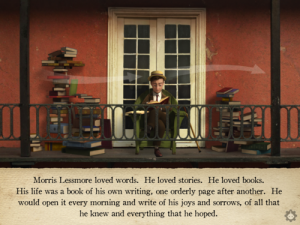 Then, we read William Joyce’s The Fantastic Flying Books of Mr. Morris Lessmore, about a writer whose library flies away in a hurricane. He is transported, Wizard of Oz-like to a world where he meets living books he comes to care for and that care for him as he grows old.
As grumpy as I was about having my me-time suspended, I generate some presence of mind to melt into the moment. It’s nice that my second grader, who loves devouring chapter books on his own, still wants his reading time with me.
When we finish, Ari asks, “Cuddle?”
Barely able to keep my eyes open, I agree, turn off the light, and proceed to fall asleep.
When I wake up, I’m as disoriented as a wayfarer who regains consciousness in a strange forest and curse myself for having lost 45 minutes of the evening.
I stumble from the bed, apologize to my wife — who’s working at the computer — for disappearing for so long. I check on my other sons, who are busy with homework and texting and my stomach churns over the fact that my plan to chat with them evaporated with my unexpected nap.
Bleary eyed, I break out the laptop to power through emails I just couldn’t finish during the day and don’t look up until I realize everyone in the house is asleep but me.
Lying down, I kiss my wife’s forehead, still bearing the frown of a complicated week and — can’t fall asleep. Knocked out of whack by the nap, I’m left with thoughts racing through my mind about everything I didn’t do and will likely be unable to do with so few hours in the day and so little energy in my aging body.
And then, I think about Morris Lessmore. Like Morris, I am often caught up in a hurricane of life. It carries away my days and, along with it, my ability to take stock in my children’s ascension to maturity. All too often, I find myself rushing my kids out in the morning and into bed at night just so I can get to – what? The end of the day, which will just bleed into another day of careening through responsibilities?
It’s a battle to leap from the cyclone, but it does happen for me, particularly when it comes to appreciating stories. It occurs in the moments I push myself past exhaustion to read a picture book with my youngest, watch and discuss a classic film with my oldest, and take in (with tears of pride) the short stories my middle child writes.
While not everyone is a writer, we all have the power to read books, watch movies and TV programs, and even to tell stories to our children, on everything from their days as infants to our own adventures through the years. Stories allow us to press the pause button on life and reveal our observations about what has happened and might come to be. While the whirlwind continues to whoosh around us, stories transport us to a quieter place of being together and acknowledging the tiny details that otherwise go unnoticed.
With the four days that Thanksgiving allows me with my family, I plan to do more cuddling with the kids — from the teenager to the second grader — to read, watch, and tell stories. Sweeter than any dessert, those moments will complete a holiday intended to help us all slow down and relish the most precious yet fleeting thing of all — time with those we love.
Pie Time – A Dad Makes Time Management Fun
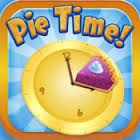 Family Man Recommends: Pie Time –https://itunes.apple.com/au/app/pie-time/id534413139?mt=8 – a new app that makes time management easier for kids to grasp and parents to enforce. Created by educator, animator, and father Roger Blonder, this has been birthed from real experience and a genuine desire to help families. Plus, it’s a lot of fun, especially for younger kids, because of the delicious cartoon graphics.
The 5 Commandments of Fatherhood
By Gregory Keer
Ten years ago, I was getting woozy as I stared at the proof pages of a magazine I was editing. It was 4am. I had phoned my wife five times that night, promising to come home soon with each call. I really did love the work I was doing, but not seeing my kids for the whole day left me feeling empty.
The worst of the calls involved hearing my newborn wailing in the background as my then four-year-old got on the line to say, “You’re not even going to cuddle with us tonight?
I had been prepared for missing an occasional night with my kids. I wasn’t equipped to miss the three I was absent for in that week alone. In just a few days, I had broken most of the important rules I set for myself as a father.
It took me a while to change my ways (and eventually get a different job). Not to sound too much like an infomercial, but I did it by coming up with “5 Commandments” that led me – and can help you — to the promised land of involved fatherhood.
1. You Shall Keep Your Promises to Your Kids
Too often, we worry that our employers or clients will fire us if we don’t put them first when they ask for more of our time than we expect. Even more often, we think that we can make it up to our kids for the occasions we break a promise to be home at a certain time or take them out to play catch. That thinking is wrong. The reality is that the employer or client usually won’t fire you if you set limits (often they respect you more). Your kids, on the other hand, will lose faith in you if it happens too often.
My youngest son used to hover around my home-office, waiting to play with me at my work cut-off time. After a run of days doing that, he stopped waiting and went to his room to play alone. When I was ready for him, he told me, “Daddy, I want privacy. Shut the door.” That hurt. So, now, I try to put work on hold and play with him, rather than miss my opportunities.
Keep your promise to your kid and you won’t regret it. You can always catch up with the client after bedtime or schedule another time to follow up. Use technology (emails and faxes) to work overtime for us and help keep our kids happy.
2. You Shall Not Beat Yourself Up
We can do all the right things and still seem to “fail” with our kids (like when we come home with a great Chinese food and our kids say they no longer like Chinese food). Children don’t give us grades or raises. So there really is no consequence for small mistakes other than their grumpiness. Roll with the punches. If you yell at them or come home late, don’t write yourself off for long. Get back on track because you’ll get a lot of extra chances.
I go through periods where I raise my voice to my kids too often at night. I feel awful, but I do it because I’m out of control. Rather than not deal with them and their frustrating bedtime ways, I work on my expectations and approaches, tinkering every night. I also accept small victories — I’m happy for the nights I don’t yell and even happier for the nights they do almost everything I ask.
3. You Shall Establish a Rhythm
If you don’t jog regularly, your muscles forget what they’re supposed to do and bark back in pain. Similarly, if you don’t keep up regular parenting activities, it’s hard to build much strength in the relationships with your children. Give yourself a few assignments per day that involve helping your kids and you will get in their daily rhythm. Strive to have moments with them morning, noon, and night.
Try serving breakfast each day or every other day, driving them to or from school regularly, and reading to them or checking their homework each night. If you leave before the kids go to school, put a note in their lunch or call them from work before they go. You can even email or text your older kids each afternoon, just to check in. Phone calls and emails do not replace being there, but they can certainly keep you more in the loop than if you disappear from their lives for the day.
4. You Shall Hug a Lot
Men are notoriously stereotyped as undemonstrative. That’s often correct. If you are this way, consider the cliché of a hug a day. Kids need touch for security and love. Getting a hug — maybe more than one and throw a couple of kisses in there, too — means so much to a child in a cold world. You are their reliable source for validation, so give it.
Here’s a simple idea: when you can’t think of anything to say or do with your child — whatever they’re age — give your child a hug. They may sometimes push you away — as my 10-year-old sometimes does, especially around his friends — but what counts is that they know what you mean and it means the world.
5. You Shall Take Time Off
Quality time is what matters. Being focused on nothing but your kids for more than a couple of hours allows you to know them in a well-rounded fashion. So take a vacation, at least two solid weeks a year. And take occasional days off, maybe even once a month. When my buddy Sang had his first child, he was working crazy hours and was stressed out over the fact that he couldn’t see his kid during the day except on weekends. I suggested he take one day off each month or every two months. I also recommended he run home for lunch once a week or twice a month. In the scheme of things, it’s not much time from work and — now that he does it — it means a lot to him to be with his child just a little more.
Honestly, it remains a challenge for me to follow these “commandments” to the letter, but it does help me to stay focused on some rules I truly believe in. Try some of these ideas our and/or make up some of your own. The important thing to remember is that there is no higher authority than your own fatherly voice that says the time you spend with your children is precious enough to set in stone.
Halloween is for Kids, Right?
 By Gregory Keer
A dozen years ago, when my sons were younger, I had a lesson to learn about All Hallow’s Eve. Up till then, I really thought I could construct the perfect trick-or-treat night. On that October 31st, I stepped into the night, ready to lead my brood through one of childhood’s greatest experiences – an evening of stockpiling candy and pretending to be a favorite character. For me, it was a chance to have as much fun as they did.
I even dressed up as Luke Skywalker, wearing a robe and carrying a toy lightsaber, though I didn’t look as adorable as my kids. Jacob (then 4 years old) dressed as Harry Potter. Benjamin (then 7) went for the medieval ‘dark warrior’ look. Ari (then 11 months) was stuffed in a puffy lion’s costume for his Halloween premiere.
As I watched my older sons ring doorbells and say thank you in voices as sweet as the treats they received, it was perfectly enchanting – for all of 15 minutes.
A car blaring bass-driven music slowed in front of us. A teenager in a Scream mask yelled out, “Happy Halloween!” then chucked an egg that smacked my pant leg.
My children thought it was hysterical.
“Daddy got hit with an egg! Can we go get some eggs, too?”
“No,” I shouted, before realizing I was cracking myself. “It’s only funny once.”
As we moved along, my wife commented, “The real Luke would’ve dodged that egg.”
I glared at her, then spied Jacob returning from a house, his mouth bulging with chocolate, ready to open a king-size Snickers.
“Only five candies while we walk,” I warned him.
That’s when my little Harry Potter quick-changed from British schoolboy to spoiled brat: “I don’t LIKE you!” he cried, dropping to the sidewalk.
I controlled my temper, firmly telling Jacob, “I can take you home right now.”
Apparently this worked because he hugged me, saying, “I’ll share some of the SweeTarts with you later, Daddy. I know you love them.”
With order restored, I pushed Ari along in the stroller, smiling as he pointed at the festive decorations of flying witches, fluttering ghosts – bloody body parts strewn over someone’s lawn.
Then, Benjamin whined, “I’m bored.”
I tried to ignore him, thinking, what could be better than going house-to-house with your family, collecting treats Charlie Brown only dreamed about?
“This is really boring,” Benjamin repeated.
“Look, guys, this house has a hundred cool pumpkins!” I said like a cheerleader. “This one is mean, this one is silly, and this one looks like Mommy without her makeup.”
Neither my wife nor my eldest son appreciated that one.
“Not funny, Daddy. I’m still bored,” Benjamin grumbled. “Can I go to Jeff’s haunted house to help scare people?”
I looked at my wife, dejectedly. “This is supposed to be a family night.”
“Let him go play,” my wife said.
Benjamin ran off and we visited more houses, but I kept feeling let down without him. Then I realized Jacob had slipped away, too. I ran up and down the block before spotting him hiding behind a bush, about to eat an unwrapped popcorn ball.
“Don’t — eat — that!” I shouted as I swatted away the sticky clump like it was some kind of grenade.
Jacob wailed in shock while I explained, “Didn’t we tell you not to eat anything that isn’t in a package?”
I leaned down to hug away his tears just as Ari, no longer content to be a live-action Simba the Lion King, pulled off his cloth mane for the seventh time and howled crankily.
“I’ll take him home,” Wendy said.
Seeing my perfect Halloween unravel, I sulked like one of my children, “But I want to trick-or-treat TOGETHER!”
My wife placed her hand on my cheek: “You need to grow up.”
Later, my family reconvened at home, munching on more candies and answering the door for other trick-or-treaters. My childish desire to be one of the kids slowly faded, especially in light of seeing Jacob handing out sweets to the visitors.
“Here’s one for you Cinderella, one for you Spider-Man,” he said before a much larger person came up, clearly an adult in a grotesque mask. Without a beat, Jacob said, “And here’s three candies for you, Scary-Face Man.”
Imagine, a grown-up trying to steal some of the fun on a kids’ night. Well, there’s always next year.
© 2017 Gregory Keer. All rights reserved.
The Brass Tacks of Music Education
 By Gregory Keer
When my eldest son came home one day during his first week of third grade, he lugged in a sinister-looking black case. My immediate reaction was that he had joined the elementary school mafia and was about to make us an offer we could not refuse after making him transfer to this new school. The reality was a bit more surprising. Our quiet, seemingly risk-averse son had brought home a trumpet.
“How did this happen?” I asked Benjamin.
“They asked if anyone wanted to join the orchestra, and I said yes,” he said with a shrug.
It was that simple. He had never discussed interest in playing the horn before and, because he previously took piano lessons without much commitment, we assumed music was not his thing.
That was OK. I was thrilled enough for the both of us. Having spent much of my adult life regretting that I had given up piano as a teen and then devoting 30 years to idolizing musicians and writing album reviews, this moment was celebratory. My sons would play music.
Over the next three years, Benjamin practiced with a ragtag orchestra of kids, most of whom had never played an instrument before. However, their teacher, Mr. Geiger, steadily and expertly trained them so they got pretty darn good. Maybe some parents dread the warbly, sometimes out-of-tune seasonal concerts, but my face hurt from all the smiling I did while listening to Benjamin play in the brass section.
Our middle son was a little more intentional when it came time for him to choose whether or not to join the school orchestra.
“I’m going to be better than Benjamin,” he said, never shy about his competitive spirit.
Yet, when he came home with his own black case, this one contained a clarinet.
“Why not the trumpet?” I asked.
“Dad, I’m my own person and the clarinet is more me,” he reasoned.
Jacob performed with gusto and enjoyed being one of only two to play the instrument in the group. He didn’t practice much, but he made the most of the rehearsals and his flair for pouring his outgoing personality into the reed instrument.
Then Ari’s turn arrived. Like his brothers before him, our third child selected his own instrument, the trombone. Seriously, that thing was taller than my tyke, yet my boy was determined to master it. Of all my sons, Ari showed the most joy in playing, even though it proved a challenge to get skilled enough to blow the notes the way he wanted to. Often, he’d get frustrated.
“I’m really not any good,” he would sometimes say.
“I don’t care,” I would reply. “Just keep playing.”
I could have told him that the sounds he was creating were akin to those generated by a flatulent walrus. However, his drive to improve focused my encouragement of him. If he wanted to get good, I would not dampen his spirit. Even if it meant going to another room to rehabilitate my ears.
And keep playing he did, month after month. He got to the point of more proudly pulling the instrument out to show off his version of “When the Saints Come Marching In” and “Winter Wonderland.” And no kid waved more excitedly when we would see him in the back row of the orchestra on performance days.
While Benjamin petered out on music by sixth grade and Jacob took up the guitar on and off for the years past elementary school, Ari kept going. In the first year of middle school, he joined the beginning orchestra with which his skills really began to take flight. Much of this had to do with an attentive teacher who always found extra time for his large array of students. It is also attributed to Ari’s outside-of-school lessons with a patient and creative piano teacher and a marvelous trombone teacher. This brass instructor nurtured not only Ari’s playing, but helped him to transcribe music by ear and explore the classics of my own true musical love, jazz.
Recently, Ari emerged from a trombone lesson saying he wanted me to select one of my favorite jazz tunes each week or so for him to learn. To say that I got a little dizzy from the extra oxygen that request filled me with is not an exaggeration.
As this new school year rolls forward, I remain committed to the extra dollars and driving time it takes to give Ari as much music education as he wants. My wife and I may have led our children to the water of music, but it has been their own curiosity and willingness to take risks with their creativity that has given them a means of extra expression and an enduring love of music’s affective powers.
If I have advice for parents on this subject it is that, whatever your own musical interest is, make the effort to expose your children to playing music early and then support their pursuits to the utmost of your resources. You never know what will happen. Likely, it will be something beautiful.
© 2017 Gregory Keer. All rights reserved.
The Gift of Boredom
 By Gregory Keer
My children are masters at finding my parenting weaknesses. One of them is the simple phrase, “I’m bored.”
When I hear those words, I wonder how they could be bored with me as their father? Next to a certain beer commercial character, I am the most interesting man in the world, right? I play sports, stay current on pop culture, and make clever puns. I’m also one half of a duo that provides electronics, musical instruments, playdates, Legos, and enough reading material to fill up what used to be known as a brick-and-mortar bookstore.
How could my sons lack stimulating activity?
At no other juncture of the year is the phrase, “I’m bored,” uttered as often as the winter holiday break. This is the period when many families close ranks to spend more quality time together. With their friends less available, my kids are stuck with Mom and Dad.
One of our seasonal traditions involves being with extended family for a few days in a rented condo. Continuing a custom she started with my late father, my step-mom gathers us to eat, play, and chat up a storm.
Last year, before driving to the annual get-together I announced to my sons, “No one is allowed to say they’re bored.”
I got plenty of eye-rolls, but a general agreement.
Everything went smoothly for the first night. The kids put away the electronics when asked, laughed with their cousins, and watched a movie with everyone.
By late morning the next day, Ari (then 11) broke the agreement. He plopped on the couch and uttered the fateful words, “I’m bored.”
“You just played soccer with your cousins,” I replied. “You could rest for a bit.”
“Not tired,” he countered.
“How about some backgammon with me?”
“No offense, Dad, but I need something more exciting.”
I bristled, but gathered myself to respond calmly, “Does every moment have to be exciting?”
“Yes.”
“I think we’re all going on a boat ride a little later.”
Ari thought for a moment, then said, “Can I play on my phone in the meantime?”
“Nope.”
“Why not?”
At this point, it occurred to me that the problem here was deeper than boredom. It was impatience. And, doggone it, this was a teaching moment if ever there was one.
“You want to watch a video?”
Ari brightened, thinking we were about to view something with a lot of action or one of his favorite YouTube clips featuring squirrels lip-syncing “Bohemian Rhapsody.”
Then I pulled up a TED Talk called “Don’t Eat the Marshmallow,” featuring Joachim de Posada, a decidedly non-superhero-looking motivational speaker.
“Dad, it’s winter break. I really don’t want to learn anything.”
“Trust me, this is interesting.”
So I played the lecture, which involves de Posada stating that he has found the key to success. He references a Stanford University study that involved a number of four year olds who were left in a room with a marshmallow. They were told that if they did not eat the marshmallow for 15 minutes, they could have two marshmallows at that point. The results revealed that two of three children could not wait — some ate the candy right away while others held out almost till the end.
de Posada further explained that, 15 years later, the Stanford researchers followed up with their subjects to see how they were doing. They discovered the kids who had shown patience, the self-discipline to wait for the bigger reward, actually were doing far better in academics, work, and life than the ones who went the immediate or near-immediate gratification route all those years ago.
At the end of the video, which also exhibited footage from a repeat of the study with other children contemplating, sniffing, and eating marshmallows, I asked Ari if he would have eaten the sugary puff.
“Yes,” he said without hesitation.
“Can you see why it might be a good idea to wait?”
Ari ponder this, then reasoned, “You want me to be patient for the boatride.”
“You’re a genius,” I said playfully.
“So, can I have some candy while I wait?”
Wise guy that he was, I let him have some chocolate before he went off to sit on the patio to watch ducks waddle past. He was plenty annoying the rest of the time before we went on that boat, but we had a new code to remind him of the value of forbearance: Don’t eat the marshmallow.
During this holiday season, my sons will again have their patience tried by sitting around with family doing very little of their usually hyper-stimulating activities. However, the gift of boredom — rather, the opportunity to practice patience — is a different kind of present I will try to give them no matter how they push me. My hope is that the gift of making them delay gratification will help them not only later in life but see the wonders of slowing down, being with live human beings, and allowing their minds to wander. Maybe I’m a spoil-sport, but I believe these possibilities are a heckuva lot tastier than marshmallows.
© 2016 Gregory Keer. All rights reserved.
Family Man Joins Life of Dad for Dads Doing Good Video
I had an amazing time working once again with director David Guest from Life of Dad for an installment of their Dads Doing Good video series, sponsored by Honda. In this video, we transported a bunch of materials and equipment in two spiffy Honda Odysseys to a baseball field in Hawthorne, California. There, David, contractor Ken Pepper, and a bunch of dedicated coaches/dads went to work improving a Little League Baseball field. Along with help from the kids at the Holly Park Little League and a film crew (including my own 15 year old son), we spent the day refurbishing a backstop, painting and putting up safety boards along the bottom of the fences, and installing a new pitching mound and pitcher’s rubber. We also presented the hard-working kids with new bats, balls, and helmets. What was especially impactful was getting to know the number of league coaches, who talked about giving back to their community as fathers and role models as they teach the kids to pitch, hit, throw, catch, and run. The video below tells the rest of the story in ways words just can’t convey. Special thanks for Tom Riles and his crew at Life of Dad for including me on this project.
Posted in Activities With Kids, Blog, Family Man Recommends, Film, LifeofDad.com, Sports, Video
Leave a comment
We’re Not “Just Kidding” About Family Concert Sweepstakes
As a long-time advocate of parents sharing music with their kids, I’m happy to be part of promoting a new sweepstakes that might send you and your family to New York City to see a live performance at Symphony Space. Cue the orchestra, here are the from the sweepstakes press release:
Beginning today, Symphony Space and SiriusXM Satellite Radio’s Kids Place Live will launch a nationwide sweepstakes offering a family weekend getaway trip to New York City, plus other great prizes. Announced today on the “Absolutely Mindy” show on SiriusXM Kids Place Live channel 78, and running through August 21, the No Kidding? Just Kidding! sweepstakes details are posted at http://www.siriusxm.com/nokidding. Prizes are as follows:
- Grand Prize: A family weekend getaway in New York City, October 4 to 6. One lucky family will win the following prize package, valued at approximately $3,500: air transportation for four from anywhere in the continental United States, two nights at the Hotel Newton on Manhattan’s Upper Westside, four tickets and backstage passes for Symphony Space’s debut event of the Just Kidding season, with The Story Pirates. The winning family will also get to meet Absolutely Mindy from SiriusXM’s Kids Place Live. Meals at Big Daddy’s, Two Boots Pizza and the Thalia Café are also included. PLUS: The Story Pirates will perform a story written by the winning family’s children.
- Five Second Prize winners will each receive a library of CDs from every musical artist performing at Just Kidding this season, plus new children’s books from Symphony Space’s Thalia Kids’ Book Club and a Just Kidding t-shirt.
- Everybody Wins! All entrants will receive a free digital download, featuring more than a dozen songs from this season’s Just Kidding performers, all top artists in the national family music scene.
Entries in the No Kidding? Just Kidding sweeps must be received by August 21, 2013 at 9 pm EST. The sweepstakes will be open to anyone in the continental United States, except where prohibited. Other restrictions may apply. The Grand Prize winner must be able to travel to New York City over the weekend of October 4 to 6, 2013, and attend the 2 pm Story Pirates performance at Symphony Space on October 5, 2013. The grand prize offer is not valid for any other dates. Grand and second prize winners will be announced on August 30, 2013. Partners in the No Kidding? Just Kidding sweepstakes include Hotel Newton, Kidville, Parents Magazine, Big Daddy’s and Two Boots restaurants.
About Just Kidding: Presenting everything from break dancing to ballet, along with planet-hopping puppetry, electroluminescent dinosaurs, and new tunes from the nation’s hottest kindie rock artists, Symphony Space announces a wide-ranging mix of live performance for its critically acclaimed Just Kidding series. The 2013-14 season launches on October 5th with a kid-driven sketch comedy performance by The Story Pirates, and runs most Saturdays and some Sundays through April ’14. Details are at http://www.symphonyspace.org/justkidding.
For more on children’s music and other stuff Family Man Recommends, click here.
Dad’s Reel Life
By Gregory Keer
I’m such a film geek that I used to keep a journal of all the movies I saw, complete with the pompous commentaries of my early-20s bohemian phase. My celluloid nerdiness turned off most of the girls I dated before I found the one woman who liked classic-film double features as much as I did (I married her). I even studied screenwriting in grad school and now teach motion-picture history and production in high school.
So the fact that I’ve gone to a movie theater twice this year says a lot about two things:
1) I rarely have time to go to the cinema because of the family-work vortex.
2) The vast majority of new movies suck.
I still view films at home, though, again, I have so much less time to do so and none of my kids want to watch anything featuring black and white, ‘70s fashion, or subtitles.
While fatherhood has definitely put a put a crimp in my reel life, it has also contributed layers of perspective for my movie-going experience.
The first movie of those rare theater visits was Starbuck, which involves a 42-year-old serial underachiever named David who, in his younger days, donated sperm – often. When David’s girlfriend reveals she’s pregnant (via the old-fashioned way), she offers to raise the child without him. However, David wants to be involved and pledges to prove he can be responsible. Soon thereafter, an attorney from the sperm-donor clinic informs this loveable loser that his “quality” sperm has produced 533 children, many of whom have filed a suit to be able to contact him.
Against the advice of his single-father lawyer friend, David drops into the lives of his now-grown kids, anonymously helping them like a guardian angel through difficult situations. This is where the film hit home for me, as David’s paternal instinct and know-how accrued from his failures drive him to help the kids he so impersonally fathered. It is indeed an endless circus act to parent my children, maybe not as hard as nurturing 142 of them like the movie character, but it is something I feel compelled to do. And few things make me as satisfied as teaching them lessons I’ve learned from my own mistakes.
Late in the film, David’s immigrant papa decides to help his wayward son reach his fatherly potential because the dad has always seen the true soul of David. The scene reminded me of how my own father has believed in me, despite my mistakes, and it highlighted my need to recognize the gold in my sons’ characters, no matter what they do to make me mad or disappointed.
The other movie that watered my 2013 film-going desert is 42. Although it’s less directly about fatherhood, I can’t think of another motion picture I so intensely wanted to take my children to other than this one about Jackie Robinson’s breaking of Major League Baseball’s color barrier in 1947. I’m a huge baseball fan, having shared ballpark visits, stories, and statistics with my father for a lifetime. For the most part, my sons could care less about the game, but wanted to see 42 before I even asked them because their friends had been talking about it for weeks.
In the theater with my three boys as well as another dad pal and his son, I was never prouder to be a father as we watched the story of a man of integrity, smarts, and athletic talent who weathered the heavy weight of racism to survive and thrive in baseball. My kids had questions before, during, and after the film about American history, allowing me to be a teacher and dad at the same time. Since I actually knew most of the answers, my ego floated on cloud nine. The film was an all-too-rare opportunity, amidst entertainment fare about apocalypses and cartoon mayhem, to bond with my kids over subjects that were explained to me by my father when I was a lad.
Inspired by 42, my youngest son more regularly wants to play catch and all my boys have taken at least an occasional interest in baseball. We even watched another of my favorite baseball movies, The Natural, which allowed me to talk to my kids about folk tales, ambition, and wonder.
Films continue to be a huge part of my life. I love to watch them on my own, but nothing beats the shared experience in a theater to start conversation and connect emotionally about topics we hesitate to bring up in the course of a normal day.
For Father’s Day, I don’t really need much. Just take me to the movies.
What Dads Need to Know: Tips for Raising More Charitable Children
By Alison Smith
Children become more charitable when they believe that their actions have impact. A few small, yet tangible ideas, put into action early on in life, can set the stage for a more charitably spirited and rewarding future.
1. Pass it On
Nothing is better than receiving a completely unexpected, delightful, surprise. Next time when you are at your favorite coffee shop with your kids, let the cashier know that you would like to buy the person behind you a cup of coffee or a muffin. No need to let them know. The cashier can let the person know that it was a gift from the person who just left. Your child will see how nice it feels to put a smile on an absolute stranger’s face.
2. Cookie Delivery
At some point in time, we all have friends who could use a hug or need a little lift. Why not bake cookies with your kids, have them draw a “happy” card and deliver an unexpected package to a friend’s doorstep. This act of kindness will allow you to have the compassion conversation. Being aware that grownups have feelings too helps kids to think outside of themselves and be more aware of the world around them.
3. Plant Seeds and Give Them Life
What could be better than watching a little garden grow (especially in the dead of winter?) Give your little ones a pot, some earth and seeds to water and nurture. Seeing the progress take shape before their very eyes shows kids that when they are patient and nurturing, beautiful things occur.
4. Allowance is for Sharing
One of my personal all time favorites is encouraging kids to give a small portion of their allowance away. Setting aside a small amount each week can quickly turn into to a sizable amount after a few short months. Together you and your child can discuss where that money can go. It begins the dialogue of giving and sets your child on an early path that places giving as a party in their everyday
Alison Smith, a mom and former kids furniture and clothing designer, is co-founder of ECHOage.com, a company that does good for children and charities by splitting birthday gift money between the two.
The Power of Stories: Flying Books and Ticking Clocks
By Gregory Keer
I’m sitting on the couch at 7:30pm, unable to do anything but stare at the TV changer, which is two feet in front of me, yet seemingly miles away.
“Must reach remote,” I say to myself. “Workday done. Dishes washed. Kids occupied. Basketball game starting…”
I muster the energy to lean forward when my mop-topped eight year old explodes through the living-room door.
“Daddy, let’s read!” Ari demands.
“Aren’t you old enough to read on your own?” I implore.
“No, I want to read with you,” he says, jutting out his lower lip to make a face he thinks tugs at my heartstrings.
It does.
Glacially, I rise from the couch, as if every muscle has been in hibernation for a season.
“Hurry, Dad, it’s getting late!” he shouts as he dashes ahead of me. Where does he get his reserve energy?
I make it to Ari’s room, moving like I’m underwater. I climb onto his bunk bed, clumsily arranging my adult body between stuffed animals and errant toys to get comfortable.
Then, we read William Joyce’s The Fantastic Flying Books of Mr. Morris Lessmore, about a writer whose library flies away in a hurricane. He is transported, Wizard of Oz-like to a world where he meets living books he comes to care for and that care for him as he grows old.
As grumpy as I was about having my me-time suspended, I generate some presence of mind to melt into the moment. It’s nice that my second grader, who loves devouring chapter books on his own, still wants his reading time with me.
When we finish, Ari asks, “Cuddle?”
Barely able to keep my eyes open, I agree, turn off the light, and proceed to fall asleep.
When I wake up, I’m as disoriented as a wayfarer who regains consciousness in a strange forest and curse myself for having lost 45 minutes of the evening.
I stumble from the bed, apologize to my wife — who’s working at the computer — for disappearing for so long. I check on my other sons, who are busy with homework and texting and my stomach churns over the fact that my plan to chat with them evaporated with my unexpected nap.
Bleary eyed, I break out the laptop to power through emails I just couldn’t finish during the day and don’t look up until I realize everyone in the house is asleep but me.
Lying down, I kiss my wife’s forehead, still bearing the frown of a complicated week and — can’t fall asleep. Knocked out of whack by the nap, I’m left with thoughts racing through my mind about everything I didn’t do and will likely be unable to do with so few hours in the day and so little energy in my aging body.
And then, I think about Morris Lessmore. Like Morris, I am often caught up in a hurricane of life. It carries away my days and, along with it, my ability to take stock in my children’s ascension to maturity. All too often, I find myself rushing my kids out in the morning and into bed at night just so I can get to – what? The end of the day, which will just bleed into another day of careening through responsibilities?
It’s a battle to leap from the cyclone, but it does happen for me, particularly when it comes to appreciating stories. It occurs in the moments I push myself past exhaustion to read a picture book with my youngest, watch and discuss a classic film with my oldest, and take in (with tears of pride) the short stories my middle child writes.
While not everyone is a writer, we all have the power to read books, watch movies and TV programs, and even to tell stories to our children, on everything from their days as infants to our own adventures through the years. Stories allow us to press the pause button on life and reveal our observations about what has happened and might come to be. While the whirlwind continues to whoosh around us, stories transport us to a quieter place of being together and acknowledging the tiny details that otherwise go unnoticed.
With the four days that Thanksgiving allows me with my family, I plan to do more cuddling with the kids — from the teenager to the second grader — to read, watch, and tell stories. Sweeter than any dessert, those moments will complete a holiday intended to help us all slow down and relish the most precious yet fleeting thing of all — time with those we love.
Pie Time – A Dad Makes Time Management Fun
Family Man Recommends: Pie Time –https://itunes.apple.com/au/app/pie-time/id534413139?mt=8 – a new app that makes time management easier for kids to grasp and parents to enforce. Created by educator, animator, and father Roger Blonder, this has been birthed from real experience and a genuine desire to help families. Plus, it’s a lot of fun, especially for younger kids, because of the delicious cartoon graphics.
The 5 Commandments of Fatherhood
By Gregory Keer
Ten years ago, I was getting woozy as I stared at the proof pages of a magazine I was editing. It was 4am. I had phoned my wife five times that night, promising to come home soon with each call. I really did love the work I was doing, but not seeing my kids for the whole day left me feeling empty.
The worst of the calls involved hearing my newborn wailing in the background as my then four-year-old got on the line to say, “You’re not even going to cuddle with us tonight?
I had been prepared for missing an occasional night with my kids. I wasn’t equipped to miss the three I was absent for in that week alone. In just a few days, I had broken most of the important rules I set for myself as a father.
It took me a while to change my ways (and eventually get a different job). Not to sound too much like an infomercial, but I did it by coming up with “5 Commandments” that led me – and can help you — to the promised land of involved fatherhood.
1. You Shall Keep Your Promises to Your Kids
Too often, we worry that our employers or clients will fire us if we don’t put them first when they ask for more of our time than we expect. Even more often, we think that we can make it up to our kids for the occasions we break a promise to be home at a certain time or take them out to play catch. That thinking is wrong. The reality is that the employer or client usually won’t fire you if you set limits (often they respect you more). Your kids, on the other hand, will lose faith in you if it happens too often.
My youngest son used to hover around my home-office, waiting to play with me at my work cut-off time. After a run of days doing that, he stopped waiting and went to his room to play alone. When I was ready for him, he told me, “Daddy, I want privacy. Shut the door.” That hurt. So, now, I try to put work on hold and play with him, rather than miss my opportunities.
Keep your promise to your kid and you won’t regret it. You can always catch up with the client after bedtime or schedule another time to follow up. Use technology (emails and faxes) to work overtime for us and help keep our kids happy.
2. You Shall Not Beat Yourself Up
We can do all the right things and still seem to “fail” with our kids (like when we come home with a great Chinese food and our kids say they no longer like Chinese food). Children don’t give us grades or raises. So there really is no consequence for small mistakes other than their grumpiness. Roll with the punches. If you yell at them or come home late, don’t write yourself off for long. Get back on track because you’ll get a lot of extra chances.
I go through periods where I raise my voice to my kids too often at night. I feel awful, but I do it because I’m out of control. Rather than not deal with them and their frustrating bedtime ways, I work on my expectations and approaches, tinkering every night. I also accept small victories — I’m happy for the nights I don’t yell and even happier for the nights they do almost everything I ask.
3. You Shall Establish a Rhythm
If you don’t jog regularly, your muscles forget what they’re supposed to do and bark back in pain. Similarly, if you don’t keep up regular parenting activities, it’s hard to build much strength in the relationships with your children. Give yourself a few assignments per day that involve helping your kids and you will get in their daily rhythm. Strive to have moments with them morning, noon, and night.
Try serving breakfast each day or every other day, driving them to or from school regularly, and reading to them or checking their homework each night. If you leave before the kids go to school, put a note in their lunch or call them from work before they go. You can even email or text your older kids each afternoon, just to check in. Phone calls and emails do not replace being there, but they can certainly keep you more in the loop than if you disappear from their lives for the day.
4. You Shall Hug a Lot
Men are notoriously stereotyped as undemonstrative. That’s often correct. If you are this way, consider the cliché of a hug a day. Kids need touch for security and love. Getting a hug — maybe more than one and throw a couple of kisses in there, too — means so much to a child in a cold world. You are their reliable source for validation, so give it.
Here’s a simple idea: when you can’t think of anything to say or do with your child — whatever they’re age — give your child a hug. They may sometimes push you away — as my 10-year-old sometimes does, especially around his friends — but what counts is that they know what you mean and it means the world.
5. You Shall Take Time Off
Quality time is what matters. Being focused on nothing but your kids for more than a couple of hours allows you to know them in a well-rounded fashion. So take a vacation, at least two solid weeks a year. And take occasional days off, maybe even once a month. When my buddy Sang had his first child, he was working crazy hours and was stressed out over the fact that he couldn’t see his kid during the day except on weekends. I suggested he take one day off each month or every two months. I also recommended he run home for lunch once a week or twice a month. In the scheme of things, it’s not much time from work and — now that he does it — it means a lot to him to be with his child just a little more.
Honestly, it remains a challenge for me to follow these “commandments” to the letter, but it does help me to stay focused on some rules I truly believe in. Try some of these ideas our and/or make up some of your own. The important thing to remember is that there is no higher authority than your own fatherly voice that says the time you spend with your children is precious enough to set in stone.