


-


-

-
Search
-
Recent Posts
- Kryptowährungen Handeln Test – Wo sind kryptowährungen verboten?
- Sichere Krypto Börse – Kryptowährung wovon abhängig?
- Kryptologie Uni Ulm | Welche kryptowährungen haben potenzial?
- Scalping Kryptowährung – Wie viele kryptowährungen gibt es bei coinbase?
- Margin Trading Kryptowährungen Yahoo Finance – Warum steigen kryptowährungen so stark?
Blog Archive
June 2026 M T W T F S S « Aug 1 2 3 4 5 6 7 8 9 10 11 12 13 14 15 16 17 18 19 20 21 22 23 24 25 26 27 28 29 30 Categories
- Activities With Kids
- Adolescence
- Adulthood
- Aging
- Anger Management
- Apps
- Arts Education
- Babies
- Blog
- Books
- Boys to Men
- Breastfeeding
- Camp
- Cars
- Celebrity Dads
- Charity
- Child Development
- Children's Music Reviews
- Columns by Family Man
- Contests
- Creativity
- Dating Dad
- Death
- Divorced Dads
- Education
- Ethics
- Family Communication
- Family Man in the News
- Family Man Recommends
- Family Music
- Family Music Reviews
- Father's Day
- Featured Moms & Dads
- Film
- Food
- Free Stuff
- Friendship
- Gender
- Graduation
- Grandparents
- Halloween
- Health
- Helping Kids Understand Loss
- Holidays
- Humor
- Internet Safety
- LifeofDad.com
- Love and Courtship
- Marriage
- Morals
- Mother's Day
- Movies
- Music
- Newborns
- Over-parenting
- Parenting Stress
- Perspective
- Pets
- Politics
- Protecting Children
- Safety
- School
- Sex Ed
- Siblings
- Single Fathers
- Social Action
- Special Needs
- Sports
- Sweepstakes & Promotions
- Talking About Disasters
- Teens
- Top Ten Lists
- Travel
- Traveling With Kids
- TV
- Tweens
- Uncategorized
- Values
- Vasectomy
- Video
- What Dads Need to Know
- Work-Family Balance
Recent Comments
- Beth on The One That Ends With Hope
- Judi Feldman on The Brass Tacks of Music Education
- Fran Keer on A Road Well Traveled
- norman edelson on A Road Well Traveled
- Justin Rogan on The Gift of Boredom
- © 2026 - Gregory Keer. All rights reserved.
Family Man Recommends: Quick Picks for January 2014
Reviewed by Gregory Keer
The beginning of the year in family music offers a trickle of reviewable discs (lots more starting next month), but there are a couple of nifty educational children’s music albums worth an earful. The first is by the “First Lady of Children’s Music,” Ella Jenkins, whose latest release if 123s and ABCs.
The other pick for this month is by actress-singer-songwriter Helen Slater (you might recall her from City Slickers and Supergirl). Slater, who once played Supergirl on the big screen, sings and tells stories about some of the heroes from mythology on Myths of Ancient Greece.
Family Man Recommends: Best Children’s Music of 2013
Reviewed by Gregory Keer
I’m joining the Top Ten fray with my annual list of the Best Children’s Music albums of the year. For 2013, the entries had to be released between Nov. 1, 2012 through Sept. 30, 2013. The links below go to the FMR review or directly to the artist Web page if there is no applicable review. Some reviews are in the QuickPicks, so read through for the appropriate title.
- Justin Roberts – Recess
- Heidi Swedberg – My Cup of Tea
- Shine and the Moonbeams – Shine Your Shine
- Frances England – Blink of An Eye
- Dan Zanes & Elizabeth Mitchell – Turn Turn Turn
- Alastair Moock – Singing Our Way Through
- Lucky Diaz y La Familia Musica – !Fantastico!
- Paul Spring – Home of Song
- Lori Henriques – The World is a Curious Place to Live
- Recess Monkey – Deep Sea Diver
Honorable Mentions: Dean Jones – When the World Was New, Joanie Leeds – Bandwagon, Ratboy Jr. – Champions of the Universe, Milkshake – Got a Minute?, The Not-Its, KidQuake!, Francie Kelley – Where Do You Want to Go Today?, Julianna Bright – Cat Doorman Songbook, Caspar Babypants – Baby Beatles, Lloyd H. Miller – S.S. Brooklyn, Trout Fishing in America – Rubber Baby Buggy Bumpers, Key Wilde & Mr. Clark – Pleased to Meet You, Bill Harley & Keith Munslow – It’s Not Fair to Me, Bob McGrath – Bob’s Favorite Sing Along Songs
Family Man Recommends: Quick Picks for December
Reviewed by Gregory Keer
 Heading the year-end recommendations is Lisa Sniderman’s What Are Dreams Made Of? A wildly creative brew of story and song by the San Francisco-based 2012 finalist for the John Lennon Songwriting Award, among other honors, Sniderman provides a sequel to Is Love a Fairy Tale?, which follows the adventures of Aoede the Muse and her adventures in Wonderhaven. What Are Dream Made Of? is an imagination-inspiring, sometimes trippy journey through the “land of darkness and light” that sounds like something Pink Floyd, Regina Spektor, and J.R.R. Tolkien might dream up if they were aiming for elementary-school age kids.
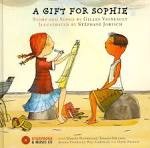 If you’re looking for more story-and-music blends that appeal to the preschool on up crowd, sample the wares from The Secret Mountain, which releases a range of projects that travel across diverse cultures. Available in book-CD or e-book packages are W is for Wapiti: An Alphabet Songbook and Songs from a Journey with a Parrot – Lullabies and Nursery Rhymes from Brazil and Portugal. A Gift for Sophie, one of The Secret Mountain’s newest productions from Canadian singer-songwriter Gilles Vigneault and illustrator Stéphane Jorisch, offers insight into the power of gift giving in the tale about two friends. Musical guests include Martha Wainwright, Thomas Hellman, Paul Campagne and Jessica Vigneault.
Family Man Recommends: Children’s Music Reviews – October 2013
Reviewed by Gregory Keer
 Just because October is one of those months where time has been short for me doesn’t mean that I don’t have a few moments to tell you about some of the new music well worth your listening hours. Lucky Diaz and the Family Jam Band continue their dazzling run of releases with the retro variety-show styled Lishy Lou and Lucky Too. With their second album of the year, Recess Monkey’s 10th studio project is the laid-back Desert Island Disc. New Jersey-based musician Erik Simonsen’s new disc is E is for Erik, a family-music debut that comes with a coloring book inspired by songs such as “Dr. Seuss We Love You” and “If You Miss Me at the Back of the Bus.” Two other noteworthy CDs are Mister G’s bilingual ABC Fiesta and Josh & the Jamtones eclectic Bear Hunt!
Fids and Kamily Award Winners for 2013
 Now in its 8th year, the Fids and Kamily poll has announced its award winners for 2013. Justin Roberts and his Recess album took the top prize, followed by the latest work by Frances England and Alastair Moock. Once again, I was honored to join the group of children’s music reviewers whose votes were counted to make the list. One of the cool additions to this year’s poll is a rundown of first-time family music makers, including Cat Doorman Thank you, Stefan Shepherd of Zooglobble for having me along for this musical ride.
Family Man Recommends: Children’s Music Reviews – September 2013
Reviewed by Gregory Keer
 Our October reviews begin with one nutty and wonderful project by Heidi Swedberg and the Sukey Jump Band. Led by the singing and ukelele-playing Swedberg, who made a comic name for herself as George Costanza’s Seinfeld fiancee, My Cup of Tea brims with whimsy and theatricality. Among the sparklers of the thirteen tracks are “The Owl and the Pussycat,” “Istanbul” (a reworking of the classic They Might Be Giants piece), and “Boogie Man.” Swedberg and her band are having so much fun making great music, it’s hard not to get caught up in it — and claim this is one of the year’s best musical surprises.
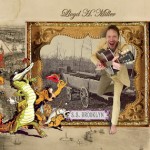 Already known as a kindie music innovator with the Deedle Deedle Dees, Lloyd H. Miller steps into the spotlight with S.S. Brooklyn. Marked by a stripped-down production, with the help of producer Dean Jones, to let Miller’s messages and musicianship breathe, the disc centers on the creativity and history of the New York borough of Brooklyn. In fact, this collection rises from the number of Sing Along With Lloyd performances Miller has done to support Brooklyn in the aftermath of Superstorm Sandy. Good intentions meet good performances on such tunes as “I’m Gonna Light Up the World,” “Working on a Bridge,” and “Big Trip.”
 Smiley Face Sticker is the debut project of the witty wordsmith who calls himself Mr. Palindrome (real name: Natan Kuchar). Based in Australia and educated at the Berklee College of Music in Boston, Mr. Palindrome makes some nifty tunes out of a lot of nonsense through the title track and songs such as “Backwards Alphabet,” “Alove Alliteration,” and “Onomatopeia (On-O-Mat-A-Pee-Yah).” Listening and playing along with the verbal gymnastics should be great fun for parents and pre-school to early grade-school kids.
 With its mission to inspire greater “physical health and overall well-being” in preschool-aged children, the Ohmies is a live stage show and a developing TV series from creators Laurie Miller and Ben Tollefson. Character-driven music from their show is now on record, produced by Tor Hyams, and includes the movement motivating “We’re the Ohmies,” “Wag Your Tail,” and “So Much Fun Together.”
Other discs notable for this rundown of children’s music reviews include new releases from prolific performers. One the groundbreakers of family music, Tom Chapin, delivers The Incredible Flexible You, a masterfully crafted project with songs aimed at helping children with the ins and outs of social interaction. And Chris Ballew, known to a legion of children and parents as Caspar Babypants, makes the Beatles catalogue his sandbox for Baby Beatles. Ballew is both faithful and playful as he reinvents this tunes for young ears.
Family Man Recommends: Children’s Music Reviews – August 2013
Reviewed by Gregory Keer
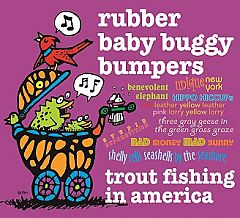 We drop our line of music reviews into the water with Trout Fishing in America, whose 16th album of wordplay and music whimsy comes out shortly. Keith Grimwood (the less-tall one who plays basses and warbles) and Ezra Idlet (the very tall one who performs on guitars and sings) have a bottomless well of enthusiasm for the genre of family music, as the dozen songs on Rubber Baby Buggy Bumpers proves. Tongue twister tunes like the title track, story songs such as “The Late, Great Nate McTate” (one of my favorites from anyone this year) and “My Sister Kissed Her Boyfriend,” and true-to-kids’-lives pieces including “Don’t Touch My Stuff” are all imbued with earthy folk-rock strains and sing-along charm. This is a sit down and listen treat to interact with and talk about with the kids.
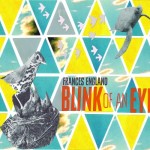 Frances England is one of those artists I could listen to with or without the kids. On her new release, Blink of an Eye, England’s honeyed vocals wash over songs filled with keen observations that capture the wonder of life at a more in-the-moment pace. Produced by Dean Jones, the new album skews a little older to match England’s own kids’ ages, but maintains the clear, poetic themes of family life she has touched on over her previous work. The title song, with its message about the brief-but-precious nature of childhood, features fellow musical angel Elizabeth Mitchell, “Bicycle Built for Two” has England duetting with the wondrous Molly Ledford in a 10,000 Maniacs-sounding track, and “Little Wings” beats energetically with the support of Caspar Babypants. England has made a gorgeous record, filled with superb songcraft and parental wisdom.
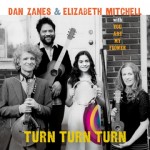 Dan Zanes & Elizabeth Mitchell, with Mitchell’s band You Are My Flower, carry us down a sparkling river of American roots music on Turn Turn Turn. As always, these two titans of kindie music make each song feel like it’s being performed in a living room or backyard. Strumming strings and singing together, Zanes and Mitchell interpret old beauties, including “Turn Turn Turn” (by Pete Seeger), “Wim Wam Waddle,” and “Sail Away Ladies.” The collaboration also brings to life such originals as Zanes’s “Now Let’s Dance” and Mitchell and sister-in-law Anna Padgett’s “Honeybee.” The only thing better than hearing this collaboration on record is seeing them live on tour.
A couple of other notable releases of late include Gratitude Attitude, a thanks-themed collection from the Best Foot Forward series. The album features songs from Debbie and Friends, Bill Harley, and Cathy Fink, among others. Music therapist and musician Jeffrey Friedberg has assembled an eclectic crew of performers for 15 Songs Every Kids Should Know About. This is a great group of tunes for preschoolers as it runs the gamut from a Cajun version of “Shoo Fly” to a rockabilly treatment “If You’re Happy and You Know It.”
For more of the latest children’s music reviews, mosey on over here.
We’re Not “Just Kidding” About Family Concert Sweepstakes
 As a long-time advocate of parents sharing music with their kids, I’m happy to be part of promoting a new sweepstakes that might send you and your family to New York City to see a live performance at Symphony Space. Cue the orchestra, here are the from the sweepstakes press release:
Beginning today, Symphony Space and SiriusXM Satellite Radio’s Kids Place Live will launch a nationwide sweepstakes offering a family weekend getaway trip to New York City, plus other great prizes. Announced today on the “Absolutely Mindy” show on SiriusXM Kids Place Live channel 78, and running through August 21, the No Kidding? Just Kidding! sweepstakes details are posted at http://www.siriusxm.com/nokidding. Prizes are as follows:
- Grand Prize: A family weekend getaway in New York City, October 4 to 6. One lucky family will win the following prize package, valued at approximately $3,500: air transportation for four from anywhere in the continental United States, two nights at the Hotel Newton on Manhattan’s Upper Westside, four tickets and backstage passes for Symphony Space’s debut event of the Just Kidding season, with The Story Pirates. The winning family will also get to meet Absolutely Mindy from SiriusXM’s Kids Place Live. Meals at Big Daddy’s, Two Boots Pizza and the Thalia Café are also included. PLUS: The Story Pirates will perform a story written by the winning family’s children.
- Five Second Prize winners will each receive a library of CDs from every musical artist performing at Just Kidding this season, plus new children’s books from Symphony Space’s Thalia Kids’ Book Club and a Just Kidding t-shirt.
- Everybody Wins! All entrants will receive a free digital download, featuring more than a dozen songs from this season’s Just Kidding performers, all top artists in the national family music scene.
Entries in the No Kidding? Just Kidding sweeps must be received by August 21, 2013 at 9 pm EST. The sweepstakes will be open to anyone in the continental United States, except where prohibited. Other restrictions may apply. The Grand Prize winner must be able to travel to New York City over the weekend of October 4 to 6, 2013, and attend the 2 pm Story Pirates performance at Symphony Space on October 5, 2013. The grand prize offer is not valid for any other dates. Grand and second prize winners will be announced on August 30, 2013. Partners in the No Kidding? Just Kidding sweepstakes include Hotel Newton, Kidville, Parents Magazine, Big Daddy’s and Two Boots restaurants.
About Just Kidding: Presenting everything from break dancing to ballet, along with planet-hopping puppetry, electroluminescent dinosaurs, and new tunes from the nation’s hottest kindie rock artists, Symphony Space announces a wide-ranging mix of live performance for its critically acclaimed Just Kidding series. The 2013-14 season launches on October 5th with a kid-driven sketch comedy performance by The Story Pirates, and runs most Saturdays and some Sundays through April ’14. Details are at http://www.symphonyspace.org/justkidding.
For more on children’s music and other stuff Family Man Recommends, click here.
Family Man Recommends: Children’s Music Reviews for July 2013
Reviewed by Gregory Keer
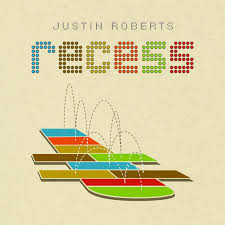 We hopscotch to our new rundown of children’s music reviews with the welcome return of a Family Man favorite. Maybe kids don’t really care about great songwriting. They just know they like a tune when they hear it. I can tell you that kids love Justin Roberts’ music, as evidenced by boppin’ audience members at his concerts, the robust sales of his numerous CDs, and the consistent call-in requests to the SXM’s Kids Place Live channel. But a lot of adults admire superb musical craft and, man, does Justin Roberts have it. Each song on his newest recording, Recess, offers music and lyrics that change and surprise in neatly wrapped, highly kinetic packages.
Of the 12 tracks on Recess, a number of the outstanding examples are the title tune, with it’s Billy Joel tinges and words that glorify the beloved classroom break, and “I’ll Be an Alien,” with its Beach Boys harmonies performed with Roberts’ very awake bandmates, the Not Ready for Naptime Players. “My Secret Robot” has a ’60s British Invasion rock style in its account of a boy’s mysterious metal friend, and “The Princess Wore Pink” gets all medieval in this piece about a royal girl who starts a color craze. Whether he’s rockin’ out or getting all pensive, Roberts keeps us engaged with sounds and images that make summer cooler and brighter all at once.
 SInging Our Way Through: Songs for the World’s Bravest Kids, which comes from a personal place and leads its listeners to a public stage that showcases the strength of children who are battling/have battled cancer. Boston singer-songwriter Alastair Moock, who has quickly become one of the family music world’s rising stars, could have been leveled by the news of his five-year-old daughter Chloe’s diagnosis of leukemia in July of 2012. Yet, he found the power to write songs to inspire his child and the many other children and families who endure cancer. These pieces are beautiful, emotional, and honest.
On the first song, the quietly lilting poem “I Am the Light,” Moock says, “C is for cancer, that’s growing in me/A is for able, that’s what I will be/Able to bend like a tree in the wind/My branches are strong even though they are thin.” Moock shows the many facets of the experience, from the playful “When I Get Bald,” “B-R-A-V-E,” and “Take Care of Your Grownups” to the inspirational “Home When I Hold You” and “This Little Light of Mine.” Lending their talents to this gorgeous project are Elizabeth Mitchell, the Okee Dokee Brothers, Rani Arbo, Chris Smither, and Aolfe O’Donovan.
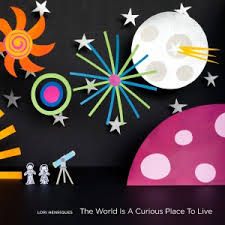 Two other unique recordings complete this month’s children’s music reviews, including a new release from pianist-composer-singer Lori Henriques. With The World is a Curious Place to Live, Henriques exhibits her signature flair for witty lyricism, quirky vocals, and complex-yet-accessible jazz piano. She provides insights on carrots (“Crunchy Privilege”), language (“Le Francais Est Magnifique”), and philosophy (the title song). Then, there’s Crosspulse Percussion Ensemble, whose album I Like Everything About You (Yes I Do) brims with percussive and vocal sounds in their most natural state. This project of a non-profit arts organization based in Oakland, California, mines musical gems from around the world, from the U.S. to Africa, on such tracks as “Walkin’ the Dog,” “Yamawele,” and “Breaths.”
Family Man Recommends: Quick Picks for January 2014
Reviewed by Gregory Keer
The beginning of the year in family music offers a trickle of reviewable discs (lots more starting next month), but there are a couple of nifty educational children’s music albums worth an earful. The first is by the “First Lady of Children’s Music,” Ella Jenkins, whose latest release if 123s and ABCs.
The other pick for this month is by actress-singer-songwriter Helen Slater (you might recall her from City Slickers and Supergirl). Slater, who once played Supergirl on the big screen, sings and tells stories about some of the heroes from mythology on Myths of Ancient Greece.
Family Man Recommends: Best Children’s Music of 2013
Reviewed by Gregory Keer
I’m joining the Top Ten fray with my annual list of the Best Children’s Music albums of the year. For 2013, the entries had to be released between Nov. 1, 2012 through Sept. 30, 2013. The links below go to the FMR review or directly to the artist Web page if there is no applicable review. Some reviews are in the QuickPicks, so read through for the appropriate title.
- Justin Roberts – Recess
- Heidi Swedberg – My Cup of Tea
- Shine and the Moonbeams – Shine Your Shine
- Frances England – Blink of An Eye
- Dan Zanes & Elizabeth Mitchell – Turn Turn Turn
- Alastair Moock – Singing Our Way Through
- Lucky Diaz y La Familia Musica – !Fantastico!
- Paul Spring – Home of Song
- Lori Henriques – The World is a Curious Place to Live
- Recess Monkey – Deep Sea Diver
Honorable Mentions: Dean Jones – When the World Was New, Joanie Leeds – Bandwagon, Ratboy Jr. – Champions of the Universe, Milkshake – Got a Minute?, The Not-Its, KidQuake!, Francie Kelley – Where Do You Want to Go Today?, Julianna Bright – Cat Doorman Songbook, Caspar Babypants – Baby Beatles, Lloyd H. Miller – S.S. Brooklyn, Trout Fishing in America – Rubber Baby Buggy Bumpers, Key Wilde & Mr. Clark – Pleased to Meet You, Bill Harley & Keith Munslow – It’s Not Fair to Me, Bob McGrath – Bob’s Favorite Sing Along Songs
Family Man Recommends: Quick Picks for December
Reviewed by Gregory Keer
 Heading the year-end recommendations is Lisa Sniderman’s What Are Dreams Made Of? A wildly creative brew of story and song by the San Francisco-based 2012 finalist for the John Lennon Songwriting Award, among other honors, Sniderman provides a sequel to Is Love a Fairy Tale?, which follows the adventures of Aoede the Muse and her adventures in Wonderhaven. What Are Dream Made Of? is an imagination-inspiring, sometimes trippy journey through the “land of darkness and light” that sounds like something Pink Floyd, Regina Spektor, and J.R.R. Tolkien might dream up if they were aiming for elementary-school age kids.
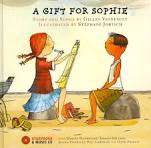 If you’re looking for more story-and-music blends that appeal to the preschool on up crowd, sample the wares from The Secret Mountain, which releases a range of projects that travel across diverse cultures. Available in book-CD or e-book packages are W is for Wapiti: An Alphabet Songbook and Songs from a Journey with a Parrot – Lullabies and Nursery Rhymes from Brazil and Portugal. A Gift for Sophie, one of The Secret Mountain’s newest productions from Canadian singer-songwriter Gilles Vigneault and illustrator Stéphane Jorisch, offers insight into the power of gift giving in the tale about two friends. Musical guests include Martha Wainwright, Thomas Hellman, Paul Campagne and Jessica Vigneault.
Family Man Recommends: Children’s Music Reviews – October 2013
Reviewed by Gregory Keer
Just because October is one of those months where time has been short for me doesn’t mean that I don’t have a few moments to tell you about some of the new music well worth your listening hours. Lucky Diaz and the Family Jam Band continue their dazzling run of releases with the retro variety-show styled Lishy Lou and Lucky Too. With their second album of the year, Recess Monkey’s 10th studio project is the laid-back Desert Island Disc. New Jersey-based musician Erik Simonsen’s new disc is E is for Erik, a family-music debut that comes with a coloring book inspired by songs such as “Dr. Seuss We Love You” and “If You Miss Me at the Back of the Bus.” Two other noteworthy CDs are Mister G’s bilingual ABC Fiesta and Josh & the Jamtones eclectic Bear Hunt!
Fids and Kamily Award Winners for 2013
 Now in its 8th year, the Fids and Kamily poll has announced its award winners for 2013. Justin Roberts and his Recess album took the top prize, followed by the latest work by Frances England and Alastair Moock. Once again, I was honored to join the group of children’s music reviewers whose votes were counted to make the list. One of the cool additions to this year’s poll is a rundown of first-time family music makers, including Cat Doorman Thank you, Stefan Shepherd of Zooglobble for having me along for this musical ride.
Family Man Recommends: Children’s Music Reviews – September 2013
Reviewed by Gregory Keer
 Our October reviews begin with one nutty and wonderful project by Heidi Swedberg and the Sukey Jump Band. Led by the singing and ukelele-playing Swedberg, who made a comic name for herself as George Costanza’s Seinfeld fiancee, My Cup of Tea brims with whimsy and theatricality. Among the sparklers of the thirteen tracks are “The Owl and the Pussycat,” “Istanbul” (a reworking of the classic They Might Be Giants piece), and “Boogie Man.” Swedberg and her band are having so much fun making great music, it’s hard not to get caught up in it — and claim this is one of the year’s best musical surprises.
 Already known as a kindie music innovator with the Deedle Deedle Dees, Lloyd H. Miller steps into the spotlight with S.S. Brooklyn. Marked by a stripped-down production, with the help of producer Dean Jones, to let Miller’s messages and musicianship breathe, the disc centers on the creativity and history of the New York borough of Brooklyn. In fact, this collection rises from the number of Sing Along With Lloyd performances Miller has done to support Brooklyn in the aftermath of Superstorm Sandy. Good intentions meet good performances on such tunes as “I’m Gonna Light Up the World,” “Working on a Bridge,” and “Big Trip.”
 Smiley Face Sticker is the debut project of the witty wordsmith who calls himself Mr. Palindrome (real name: Natan Kuchar). Based in Australia and educated at the Berklee College of Music in Boston, Mr. Palindrome makes some nifty tunes out of a lot of nonsense through the title track and songs such as “Backwards Alphabet,” “Alove Alliteration,” and “Onomatopeia (On-O-Mat-A-Pee-Yah).” Listening and playing along with the verbal gymnastics should be great fun for parents and pre-school to early grade-school kids.
 With its mission to inspire greater “physical health and overall well-being” in preschool-aged children, the Ohmies is a live stage show and a developing TV series from creators Laurie Miller and Ben Tollefson. Character-driven music from their show is now on record, produced by Tor Hyams, and includes the movement motivating “We’re the Ohmies,” “Wag Your Tail,” and “So Much Fun Together.”
Other discs notable for this rundown of children’s music reviews include new releases from prolific performers. One the groundbreakers of family music, Tom Chapin, delivers The Incredible Flexible You, a masterfully crafted project with songs aimed at helping children with the ins and outs of social interaction. And Chris Ballew, known to a legion of children and parents as Caspar Babypants, makes the Beatles catalogue his sandbox for Baby Beatles. Ballew is both faithful and playful as he reinvents this tunes for young ears.
Family Man Recommends: Children’s Music Reviews – August 2013
Reviewed by Gregory Keer
We drop our line of music reviews into the water with Trout Fishing in America, whose 16th album of wordplay and music whimsy comes out shortly. Keith Grimwood (the less-tall one who plays basses and warbles) and Ezra Idlet (the very tall one who performs on guitars and sings) have a bottomless well of enthusiasm for the genre of family music, as the dozen songs on Rubber Baby Buggy Bumpers proves. Tongue twister tunes like the title track, story songs such as “The Late, Great Nate McTate” (one of my favorites from anyone this year) and “My Sister Kissed Her Boyfriend,” and true-to-kids’-lives pieces including “Don’t Touch My Stuff” are all imbued with earthy folk-rock strains and sing-along charm. This is a sit down and listen treat to interact with and talk about with the kids.
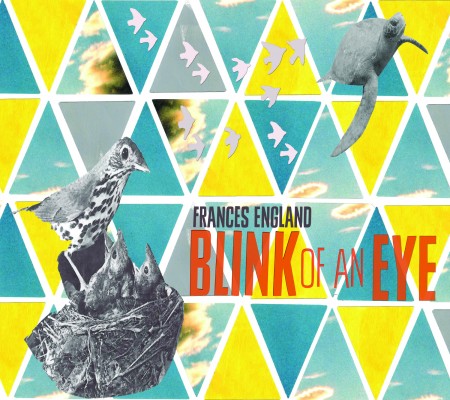 Frances England is one of those artists I could listen to with or without the kids. On her new release, Blink of an Eye, England’s honeyed vocals wash over songs filled with keen observations that capture the wonder of life at a more in-the-moment pace. Produced by Dean Jones, the new album skews a little older to match England’s own kids’ ages, but maintains the clear, poetic themes of family life she has touched on over her previous work. The title song, with its message about the brief-but-precious nature of childhood, features fellow musical angel Elizabeth Mitchell, “Bicycle Built for Two” has England duetting with the wondrous Molly Ledford in a 10,000 Maniacs-sounding track, and “Little Wings” beats energetically with the support of Caspar Babypants. England has made a gorgeous record, filled with superb songcraft and parental wisdom.
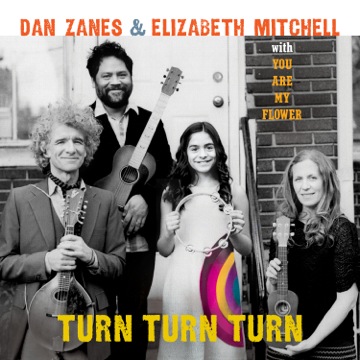 Dan Zanes & Elizabeth Mitchell, with Mitchell’s band You Are My Flower, carry us down a sparkling river of American roots music on Turn Turn Turn. As always, these two titans of kindie music make each song feel like it’s being performed in a living room or backyard. Strumming strings and singing together, Zanes and Mitchell interpret old beauties, including “Turn Turn Turn” (by Pete Seeger), “Wim Wam Waddle,” and “Sail Away Ladies.” The collaboration also brings to life such originals as Zanes’s “Now Let’s Dance” and Mitchell and sister-in-law Anna Padgett’s “Honeybee.” The only thing better than hearing this collaboration on record is seeing them live on tour.
A couple of other notable releases of late include Gratitude Attitude, a thanks-themed collection from the Best Foot Forward series. The album features songs from Debbie and Friends, Bill Harley, and Cathy Fink, among others. Music therapist and musician Jeffrey Friedberg has assembled an eclectic crew of performers for 15 Songs Every Kids Should Know About. This is a great group of tunes for preschoolers as it runs the gamut from a Cajun version of “Shoo Fly” to a rockabilly treatment “If You’re Happy and You Know It.”
For more of the latest children’s music reviews, mosey on over here.
We’re Not “Just Kidding” About Family Concert Sweepstakes
As a long-time advocate of parents sharing music with their kids, I’m happy to be part of promoting a new sweepstakes that might send you and your family to New York City to see a live performance at Symphony Space. Cue the orchestra, here are the from the sweepstakes press release:
Beginning today, Symphony Space and SiriusXM Satellite Radio’s Kids Place Live will launch a nationwide sweepstakes offering a family weekend getaway trip to New York City, plus other great prizes. Announced today on the “Absolutely Mindy” show on SiriusXM Kids Place Live channel 78, and running through August 21, the No Kidding? Just Kidding! sweepstakes details are posted at http://www.siriusxm.com/nokidding. Prizes are as follows:
- Grand Prize: A family weekend getaway in New York City, October 4 to 6. One lucky family will win the following prize package, valued at approximately $3,500: air transportation for four from anywhere in the continental United States, two nights at the Hotel Newton on Manhattan’s Upper Westside, four tickets and backstage passes for Symphony Space’s debut event of the Just Kidding season, with The Story Pirates. The winning family will also get to meet Absolutely Mindy from SiriusXM’s Kids Place Live. Meals at Big Daddy’s, Two Boots Pizza and the Thalia Café are also included. PLUS: The Story Pirates will perform a story written by the winning family’s children.
- Five Second Prize winners will each receive a library of CDs from every musical artist performing at Just Kidding this season, plus new children’s books from Symphony Space’s Thalia Kids’ Book Club and a Just Kidding t-shirt.
- Everybody Wins! All entrants will receive a free digital download, featuring more than a dozen songs from this season’s Just Kidding performers, all top artists in the national family music scene.
Entries in the No Kidding? Just Kidding sweeps must be received by August 21, 2013 at 9 pm EST. The sweepstakes will be open to anyone in the continental United States, except where prohibited. Other restrictions may apply. The Grand Prize winner must be able to travel to New York City over the weekend of October 4 to 6, 2013, and attend the 2 pm Story Pirates performance at Symphony Space on October 5, 2013. The grand prize offer is not valid for any other dates. Grand and second prize winners will be announced on August 30, 2013. Partners in the No Kidding? Just Kidding sweepstakes include Hotel Newton, Kidville, Parents Magazine, Big Daddy’s and Two Boots restaurants.
About Just Kidding: Presenting everything from break dancing to ballet, along with planet-hopping puppetry, electroluminescent dinosaurs, and new tunes from the nation’s hottest kindie rock artists, Symphony Space announces a wide-ranging mix of live performance for its critically acclaimed Just Kidding series. The 2013-14 season launches on October 5th with a kid-driven sketch comedy performance by The Story Pirates, and runs most Saturdays and some Sundays through April ’14. Details are at http://www.symphonyspace.org/justkidding.
For more on children’s music and other stuff Family Man Recommends, click here.
Family Man Recommends: Children’s Music Reviews for July 2013
Reviewed by Gregory Keer
We hopscotch to our new rundown of children’s music reviews with the welcome return of a Family Man favorite. Maybe kids don’t really care about great songwriting. They just know they like a tune when they hear it. I can tell you that kids love Justin Roberts’ music, as evidenced by boppin’ audience members at his concerts, the robust sales of his numerous CDs, and the consistent call-in requests to the SXM’s Kids Place Live channel. But a lot of adults admire superb musical craft and, man, does Justin Roberts have it. Each song on his newest recording, Recess, offers music and lyrics that change and surprise in neatly wrapped, highly kinetic packages.
Of the 12 tracks on Recess, a number of the outstanding examples are the title tune, with it’s Billy Joel tinges and words that glorify the beloved classroom break, and “I’ll Be an Alien,” with its Beach Boys harmonies performed with Roberts’ very awake bandmates, the Not Ready for Naptime Players. “My Secret Robot” has a ’60s British Invasion rock style in its account of a boy’s mysterious metal friend, and “The Princess Wore Pink” gets all medieval in this piece about a royal girl who starts a color craze. Whether he’s rockin’ out or getting all pensive, Roberts keeps us engaged with sounds and images that make summer cooler and brighter all at once.
SInging Our Way Through: Songs for the World’s Bravest Kids, which comes from a personal place and leads its listeners to a public stage that showcases the strength of children who are battling/have battled cancer. Boston singer-songwriter Alastair Moock, who has quickly become one of the family music world’s rising stars, could have been leveled by the news of his five-year-old daughter Chloe’s diagnosis of leukemia in July of 2012. Yet, he found the power to write songs to inspire his child and the many other children and families who endure cancer. These pieces are beautiful, emotional, and honest.
On the first song, the quietly lilting poem “I Am the Light,” Moock says, “C is for cancer, that’s growing in me/A is for able, that’s what I will be/Able to bend like a tree in the wind/My branches are strong even though they are thin.” Moock shows the many facets of the experience, from the playful “When I Get Bald,” “B-R-A-V-E,” and “Take Care of Your Grownups” to the inspirational “Home When I Hold You” and “This Little Light of Mine.” Lending their talents to this gorgeous project are Elizabeth Mitchell, the Okee Dokee Brothers, Rani Arbo, Chris Smither, and Aolfe O’Donovan.
Two other unique recordings complete this month’s children’s music reviews, including a new release from pianist-composer-singer Lori Henriques. With The World is a Curious Place to Live, Henriques exhibits her signature flair for witty lyricism, quirky vocals, and complex-yet-accessible jazz piano. She provides insights on carrots (“Crunchy Privilege”), language (“Le Francais Est Magnifique”), and philosophy (the title song). Then, there’s Crosspulse Percussion Ensemble, whose album I Like Everything About You (Yes I Do) brims with percussive and vocal sounds in their most natural state. This project of a non-profit arts organization based in Oakland, California, mines musical gems from around the world, from the U.S. to Africa, on such tracks as “Walkin’ the Dog,” “Yamawele,” and “Breaths.”